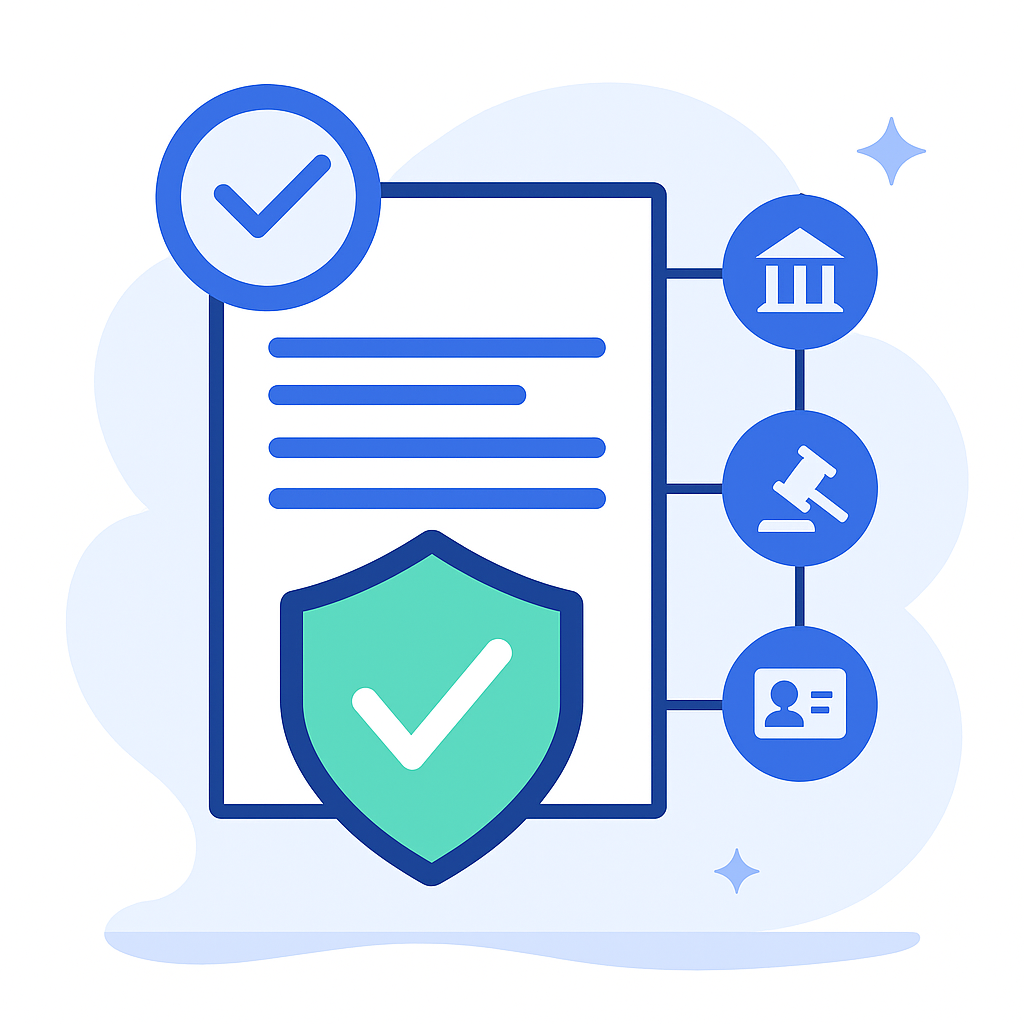
Regulatory Checks

Identify Regulatory Actions, Enforcement Orders & Compliance Risks Instantly

Before engaging with a company, it is critical to know whether regulators have flagged them for compliance violations, enforcement actions, or financial misconduct.

Access Regulatory Risk Signals Instantly to Avoid Compliance & Reputation Risk

1. Detect Enforcement Actions

Identify regulatory orders, investigations, and penalties issued against companies or their directors.

2. Identify Compliance Violations

Track non-compliance cases across regulators such as SEBI, MCA, and SFIO.

3. Evaluate Regulatory Risk Exposure

Understand whether a company has been flagged for fraud, misrepresentation, or governance failures.

Why Regulatory Checks Are Critical Before You Engage

Statutory & Reliable

Legally enforceable filings provide standardized financial snapshots
Risk Detection

Identifies solvency, liquidity, and governance issues
Decision Support

Crucial for lending, investing, or vendor management

Why Run Regulatory Checks Before You Engage?

Running regulatory checks is essential to identify enforcement actions, compliance violations, and regulatory investigations before lending, investing, or onboarding a vendor. Regulatory data from authorities such as SEBI, MCA, and other enforcement agencies provides legally documented signals about a company’s compliance history and governance standards. By identifying regulatory notices, penalties, or investigations early, organizations can reduce exposure to legal risks, reputational damage, and potential financial losses while making more informed business decisions.

1. Detect Regulatory Enforcement Actions

Identify enforcement orders, penalties, and disciplinary actions issued by regulators to uncover companies involved in compliance violations or investigations.

2. Identify Compliance Violations

Track regulatory notices, warnings, and violations issued by authorities that may indicate operational, governance, or legal risks.

3. Screen Directors & Promoters

Detect regulatory actions involving directors or key management to uncover hidden governance risks linked to company leadership.

4. Prevent Vendor & Partner Risk

Ensure suppliers, partners, and third-party vendors are not flagged by regulators before entering into business relationships.

5. Strengthen Compliance & Risk Monitoring

Support AML, compliance, and risk teams with regulatory alerts that help identify entities linked to fraud, misconduct, or financial irregularities.

6. Support Investment & Due Diligence Decisions

Use regulatory signals during lending, investment, M&A, and procurement due diligence to avoid exposure to high-risk entities.

From Regulatory Databases to Actionable Risk Signals. Here’s What You’ll Get

Regulatory Enforcement Orders

SEBI Regulatory Actions

MCA Compliance & Default Status

SFIO Investigations

Director & Promoter Risk Alerts

Regulatory Defaulter Lists

Compliance Risk Indicators

Regulatory Risk Assessment

Regulatory Watchlists & Alerts

How SignalX can help you?

Detect Regulatory Enforcement Actions

SignalX aggregates enforcement orders, penalties, and regulatory notices from authorities like SEBI, MCA, and SFIO to help identify companies involved in compliance violations or regulatory investigations.

Identify Compliance & Governance Risks

Screen companies, directors, and promoters for regulatory actions, defaulter listings, and compliance failures to uncover hidden governance or legal risks.

Make Safer Business Decisions

Use regulatory risk signals during lending, vendor onboarding, investment due diligence, and partnerships to avoid engaging with high-risk or non-compliant entities.

FAQs

1. How do you check if a company has regulatory violations in India?

You can check regulatory violations by searching enforcement records from regulators such as SEBI, MCA, and SFIO using identifiers like company name, CIN, PAN, or director name. Regulatory screening tools aggregate these records to quickly identify companies involved in compliance violations, investigations, or regulatory penalties.

2. What are regulatory checks in corporate due diligence?

Regulatory checks are compliance screenings that identify enforcement actions, penalties, investigations, and regulatory notices issued against companies or their directors. These checks help lenders, investors, and procurement teams detect governance risks before approving loans, partnerships, or investments.

3. Why are regulatory checks important before onboarding a vendor?

Running regulatory checks before onboarding a vendor helps organizations identify suppliers involved in fraud investigations, regulatory violations, or compliance failures. This reduces vendor risk and protects businesses from financial, operational, and reputational exposure.

4. What types of regulatory actions can be issued against companies?

Regulatory authorities may issue enforcement orders, penalties, warnings, restrictions, investigations, or defaulter notices against companies that violate compliance rules or financial regulations. These actions often signal governance failures or financial misconduct.

5. Which regulators monitor corporate compliance in India?

Corporate compliance in India is monitored by authorities such as SEBI, MCA, SFIO, RBI, and other regulatory agencies. These bodies investigate financial misconduct, governance violations, securities fraud, and statutory non-compliance by companies and their directors.

6. How do regulatory checks help in credit risk assessment?

Regulatory checks help lenders identify borrowers or promoters involved in enforcement actions or regulatory investigations. These signals indicate governance or compliance risks that may affect repayment ability and financial stability.

7. Can regulatory checks reveal director or promoter misconduct?

Yes. Regulatory checks can detect enforcement actions, director disqualifications, fraud investigations, and regulatory penalties involving company directors or promoters. Screening leadership profiles helps uncover governance risks associated with a business.

8. What data sources are used in regulatory screening?

Regulatory screening uses official data sources such as enforcement orders, compliance notices, regulatory investigations, defaulter lists, and statutory filings published by authorities. These datasets help identify entities flagged for regulatory violations.

9. How often should companies perform regulatory checks?

Organizations typically perform regulatory checks during vendor onboarding, lending approvals, investment due diligence, and periodic compliance reviews. Continuous monitoring is recommended for high-risk counterparties.

10. What information is included in a regulatory check report?

A regulatory check report usually includes enforcement orders, regulatory notices, compliance violations, investigation records, director-related actions, and other regulatory risk indicators that help organizations assess the risk profile of a company.

Verify the Regulatory Compliance of Your Vendors & Partners

Request Regulatory Check