Third-Party Vendor Risk Management Policy Template: Practical Tips for Risk Assessment and Continuous Monitoring
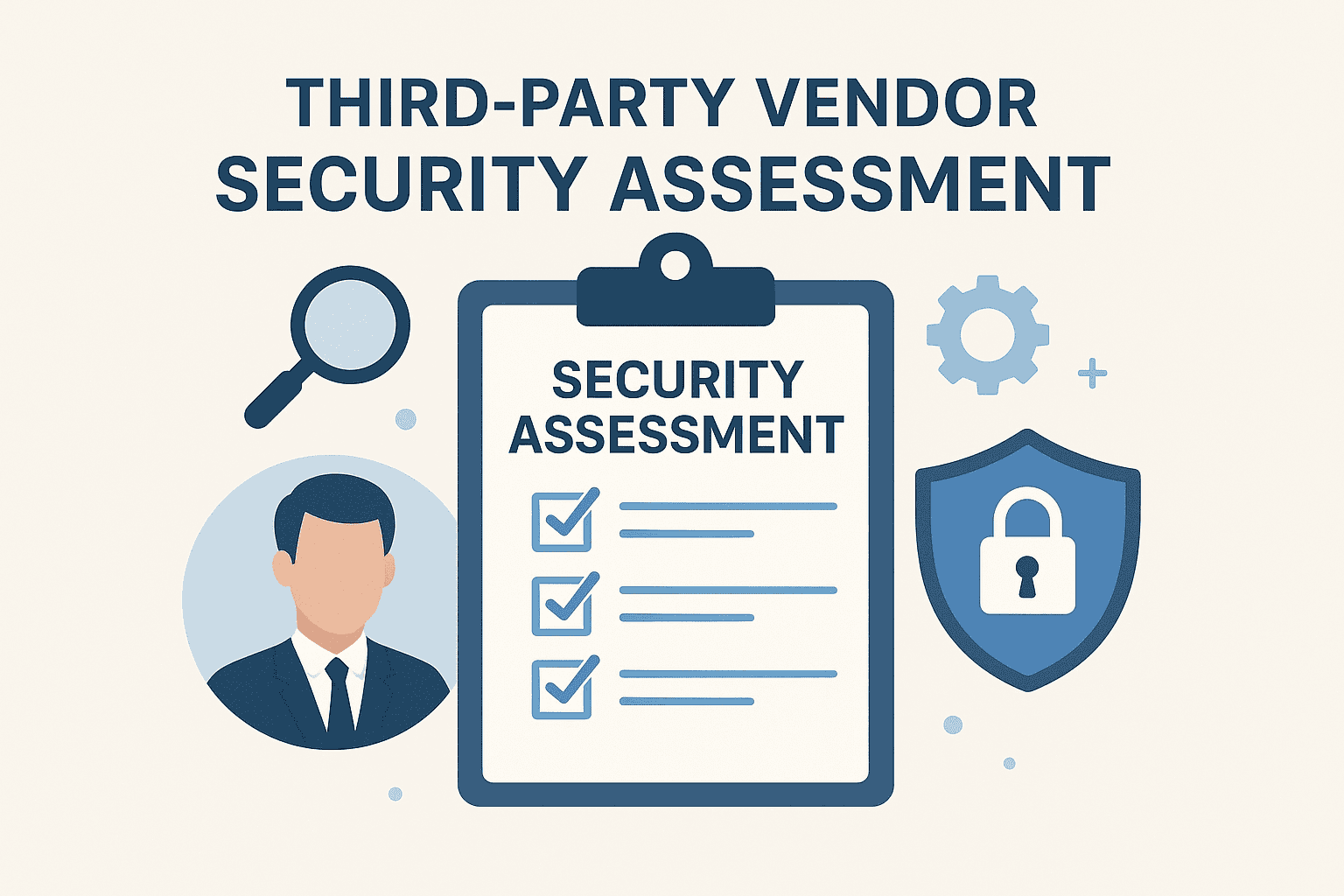





Third-Party Vendor Risk Management Policy Template: Practical Tips
In an era where businesses heavily rely on external vendors for critical services, third-party risk has become a significant concern. A well-structured Third-Party Vendor Risk Management Policy Template is fundamental to protect your business from risks introduced by external parties. This blog provides a detailed and descriptive guide on crafting an effective Third-Party Vendor Risk Management Policy Template policy, focusing on practical tips for risk assessment and ongoing monitoring. It also highlights how modern technology like SignalX enhances these efforts for improved risk visibility and control.
What Is a Third-Party Vendor Risk Management Policy Template?
A Third-Party Vendor Risk Management Policy is a formalized set of guidelines and processes that defines how an organization identifies, assesses, mitigates, and monitors risks associated with third-party vendors. These risks could affect many areas, including cybersecurity, compliance, operational continuity, financial stability, and reputation.
Vendors today have access to your systems, sensitive information, and even decision-making environments, making it critical to manage the risks they may introduce comprehensively. The policy sets the tone for how vendor relationships should be handled from due diligence before onboarding to continuous performance monitoring and risk mitigation.
Why is a TPVRM Policy Crucial?
Regulatory Compliance: With increasing regulations such as GDPR, HIPAA, and industry-specific laws, demonstrating vendor risk management is mandatory.
- Data Security: Vendors often manage sensitive data or provide key services that can be exploited if not properly managed
- Financial Protection: Poorly managed vendor risks can result in financial losses, including fines, penalties, or damages
- Reputation Management: A vendor’s security breach or service failure can directly impact your company’s brand and customer trust.
- Operational Continuity: Vendors play a role in your business processes. Interruptions or failures can disrupt operations.
It is now considered indispensable for organizations to adopt a formal Third-Party Vendor Risk Management Policy Template policy to secure their supply chain and meet governance requirements.
Practical Tips for Effective Risk Assessment in Your Policy
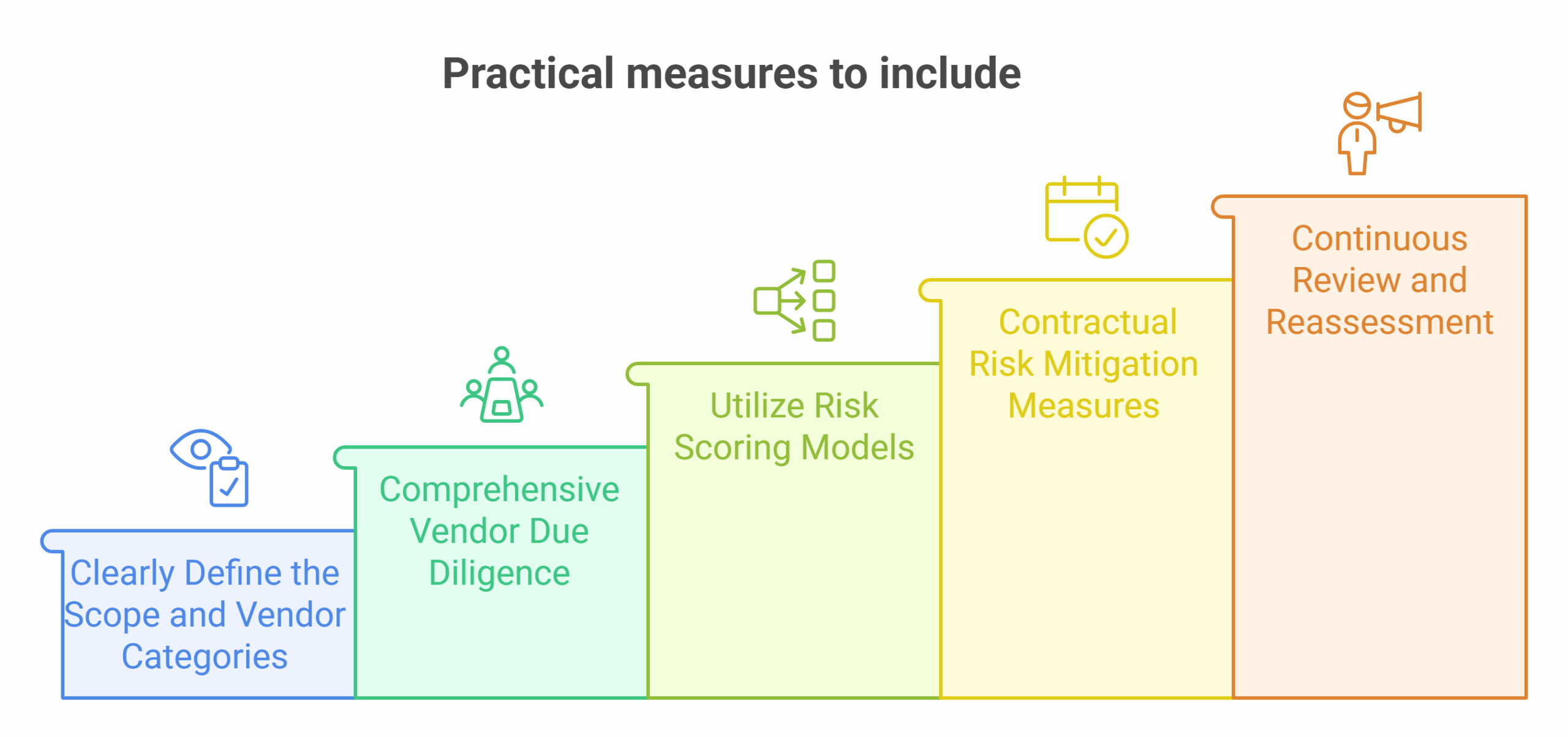 Risk assessment is the heart of any TPVRM policy. Here are practical measures to include:
1. Clearly Define the Scope and Vendor Categories
Start by identifying which third parties your organisation works with, and categories vendors by the nature of their services and the risk they pose. For example:
Low-risk vendors: Vendors with no access to sensitive data or critical systems.
Medium-risk vendors: Vendors with some access to data or who impact business continuity
High-risk vendors: Vendors processing sensitive data or integral to core operations.
This classification helps prioritize assessment efforts.
2. Comprehensive Vendor Due Diligence
Before onboarding, gather detailed information about your vendors’ financial health, security posture, compliance certifications, and business continuity plans. This can be achieved through:
Security audits and questionnaires
Reviewing documentation such as SOC reports or ISO certifications
Background checks and financial analysis
3. Utilize Risk Scoring Models
Use quantitative and qualitative criteria to score each vendor’s risk level. This provides an objective framework for decision-making and ongoing monitoring.
4. Contractual Risk Mitigation Measures
Incorporate specific contract clauses that outline vendor responsibilities, data protection obligations, right to audit, and termination rights. Ensure penalties or corrective actions are clear for non-compliance.
5. Continuous Review and Reassessment
Risks evolve over time. Your policy should specify regular reassessment intervals based on vendor risk level (e.g., annually for low risk, quarterly for high risk) as well as event-driven assessments when incidents occur.
The Importance of Continuous Monitoring in Third-Party Vendor Risk Management Policy Template
Continuous vendor monitoring is an evolving practice recognizing that risk assessment is not a one-time event. Constant vigilance helps identify new vulnerabilities or changes in vendor behavior before they escalate into critical issues.
Strategies for Continuous Monitoring
- Real-time alerts on vendor security breaches or non-compliance
- Performance tracking against service level agreements (SLAs)
- Periodic risk score updates based on new information
- Automated scanning and intelligence gathering from public sources and cyber threat databases
- Collaboration with vendors on remediation progress
- Adopting continuous monitoring strengthens your resilience and helps meet compliance mandates.
Advantages & Benefits of a Third-Party Vendor Risk Management Policy Template
- Implementing a structured TPVRM policy brings numerous benefits:
- Enhanced Security: Mitigates breaches by identifying weak links early.
- Regulatory Readiness: Aligns your company with regulatory expectations and audit requirements.
- Improved Vendor Relationships: Clear expectations and performance monitoring foster accountability.
- Operational Stability: Limits disruption risks tied to third-party failures.
- Cost Savings: Early detection avoids costly incidents and fines.
How SignalX Enhances Third-Party Risk Management
SignalX is a cutting-edge platform designed to elevate risk assessment and continuous monitoring processes. Here’s what it brings to your TPVRM efforts:
- Automated Risk Intelligence: SignalX collects and analyzes diverse data sources to detect emerging risks associated with vendors, including cyber threats and compliance deviations.
- Real-Time Alerts: Immediate notifications enable rapid response to incidents threatening vendor reliability or security.
- Comprehensive Vendor Profiles: Aggregates financial, security, and compliance data into actionable insights.
- Streamlined Risk Scoring: Utilizes AI-driven risk scorecards to prioritize vendor risk effectively.
- Seamless Integration: Works with existing vendor management workflows to enhance efficiency without disruption. By leveraging SignalX
- within your TPVRM policy framework, you gain proactive, data-driven tools that transform vendor risk management from reactive to strategic.
Grab Your TPRM Policy Template Today
Don’t leave your business exposed to hidden third-party risks. Develop your Third-Party Vendor Risk Management Policy today, embedding practical risk assessment steps and continuous monitoring protocols. Enhance your capabilities with SignalX’s automation and intelligence solutions to maintain vigilant, real-time oversight of your vendor ecosystem.
Start by customizing a TPVRM policy template tailored to your organization’s needs and regulatory landscape. Then, integrate SignalX to optimize risk detection and response for unmatched vendor risk control.
Managing vendor risk is complex but essential. With a strategic TPVRM policy and modern technology like SignalX, you can protect your business, ensure compliance, and strengthen operational resilience against the ever-changing threat landscape.
FAQ
1. What is a Third-Party Vendor Risk Management Policy?
It defines how an organization identifies, assesses, and manages risks from third-party vendors.
2. Why is this policy important?
It helps reduce security, compliance, operational, and reputational risks from vendors.
3. Who must follow this policy?
All teams involved in vendor selection, onboarding, and management.
4. What vendors does it apply to?
All third parties providing services, products, or access to systems or data.
5. What risks does it address?
Cybersecurity, compliance, financial, operational, and reputational risks.
6. What are the key components of the policy?
Scope, roles, risk assessment, due diligence, monitoring, and vendor exit process.
7. How is vendor risk assessed?
Through due diligence, questionnaires, risk scoring, and document reviews.
8. How often are vendors reviewed?
Based on risk level—high-risk more frequently, low-risk annually.
9. What should vendor contracts include?
Security requirements, SLAs, compliance terms, and termination clauses.
10. Who owns and updates the policy?
Risk, compliance, or governance teams with leadership oversight.
Download the Third-Party Risk Assessment Checklist – SignalX
Begin your proactive third-party risk journey now and secure your path to sustainable business success.