The Ultimate Guide to Vendor Due Diligence Software
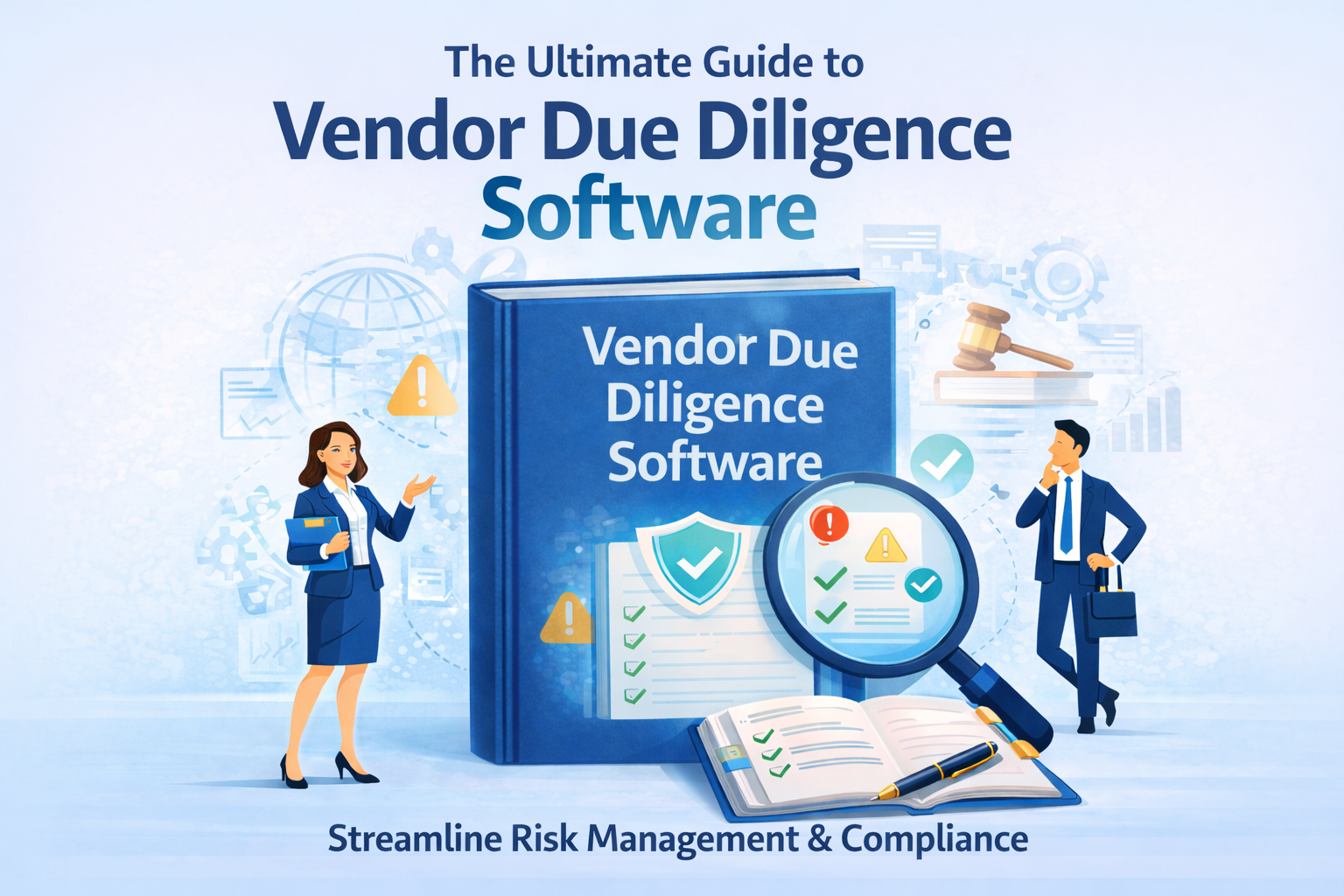





In today’s fast-paced business environment, partnerships with external vendors are critical for operations, supply chains, and service delivery. However, these relationships also introduce a spectrum of risks ranging from financial instability to cybersecurity threats, regulatory non-compliance, and reputational damage. Vendor due diligence is the process by which organizations assess these risks before entering into agreements with third-party suppliers. As the global business landscape becomes more complex, relying on traditional manual methods of vendor assessments is no longer sufficient. This is where vendor due diligence software comes in, offering automation, precision, and scalability to ensure comprehensive risk management.
In this guide, we will explore why vendor due diligence is so important, how modern software is revolutionizing the process, and which tools are most effective in mitigating risk while optimizing vendor relationships.
The Growing Importance of Vendor Due Diligence
In an era where businesses are highly interconnected, the actions of one vendor can have far-reaching consequences on an organization’s entire operations. Cybersecurity breaches, financial instability, and regulatory violations in a vendor’s operations can lead to disruptions, penalties, or reputational damage that may take years to recover from.
Vendor due diligence is the proactive process of evaluating these risks and ensuring that a vendor meets all necessary requirements to do business safely and responsibly. Historically, companies relied on paper-based or manual processes, such as reviewing contracts, financial statements, and compliance certifications, which were time-consuming and prone to human error. Today, the rise of sophisticated software solutions has transformed how companies approach this task. With the help of automated platforms, businesses can conduct continuous monitoring of vendor performance, track compliance, and assess potential risks in real time, all while improving efficiency and reducing overhead.

Understanding Vendor Due Diligence
Vendor due diligence is more than just assessing whether a supplier can deliver products or services on time and within budget. It involves thoroughly evaluating several aspects of a vendor’s operations to ensure that they meet the organization’s operational, financial, security, and compliance requirements.
Financial Stability: Assessing a vendor’s financial health is vital. A vendor that is experiencing financial instability could present a significant risk, potentially leading to disruption of services or failure to meet contractual obligations. This evaluation typically includes reviewing financial reports, profitability ratios, and creditworthiness assessments.

Compliance and Regulatory Adherence: With increasing regulation in industries such as healthcare, finance, and data privacy, it’s essential that vendors comply with relevant laws and standards, such as GDPR, HIPAA, and SOC 2. Non-compliance could result in legal action, fines, and even the termination of business relationships.
Operational Capacity: A vendor’s ability to meet your organization’s operational needs is another key aspect of due diligence. Does the vendor have sufficient resources and infrastructure to support your business requirements? Do they have contingency plans for business continuity in case of an emergency?
Reputation and History: The reputation of a vendor can have a lasting impact on your business. Researching their historical performance, customer satisfaction ratings, and any past incidents of fraud, mismanagement, or legal issues helps assess their overall reliability and trustworthiness.
Failure to conduct comprehensive vendor assessments can expose organizations to several risks, including operational disruptions, financial losses, legal liabilities, and damage to brand reputation. In the worst case, inadequate due diligence can even lead to vendor-caused data breaches or regulatory violations, making the process indispensable.
The Evolution of Vendor Due Diligence Software
As the scope of vendor relationships has expanded, so too has the complexity of managing them. Manual and paper-based methods simply can’t keep up with the volume and variety of vendor data businesses must track. Today, organizations are turning to advanced vendor due diligence software to automate and optimize the process.
The transition from manual checks to automated systems has been driven by several factors, including the need for efficiency, cost savings, and the growing complexity of compliance requirements. With the advent of Artificial Intelligence (AI) and Machine Learning (ML), due diligence tools now offer predictive capabilities that were once impossible. These technologies allow for smarter risk assessments by identifying patterns and anomalies across vast datasets, flagging potential issues before they escalate into major problems.
One of the most significant advancements in modern vendor due diligence software is the use of real-time monitoring. Rather than relying on static, one-time assessments, today’s software continuously gathers data on vendor performance, regulatory compliance, and financial health. This approach ensures that businesses are always working with up-to-date information, allowing them to make informed decisions and adjust vendor relationships when necessary.
The introduction of cloud-based platforms has also made these solutions more scalable, cost-effective, and easier to integrate into existing systems, such as Governance, Risk, and Compliance (GRC) platforms or Enterprise Resource Planning (ERP) systems.
Core Features of Leading Vendor Due Diligence Software
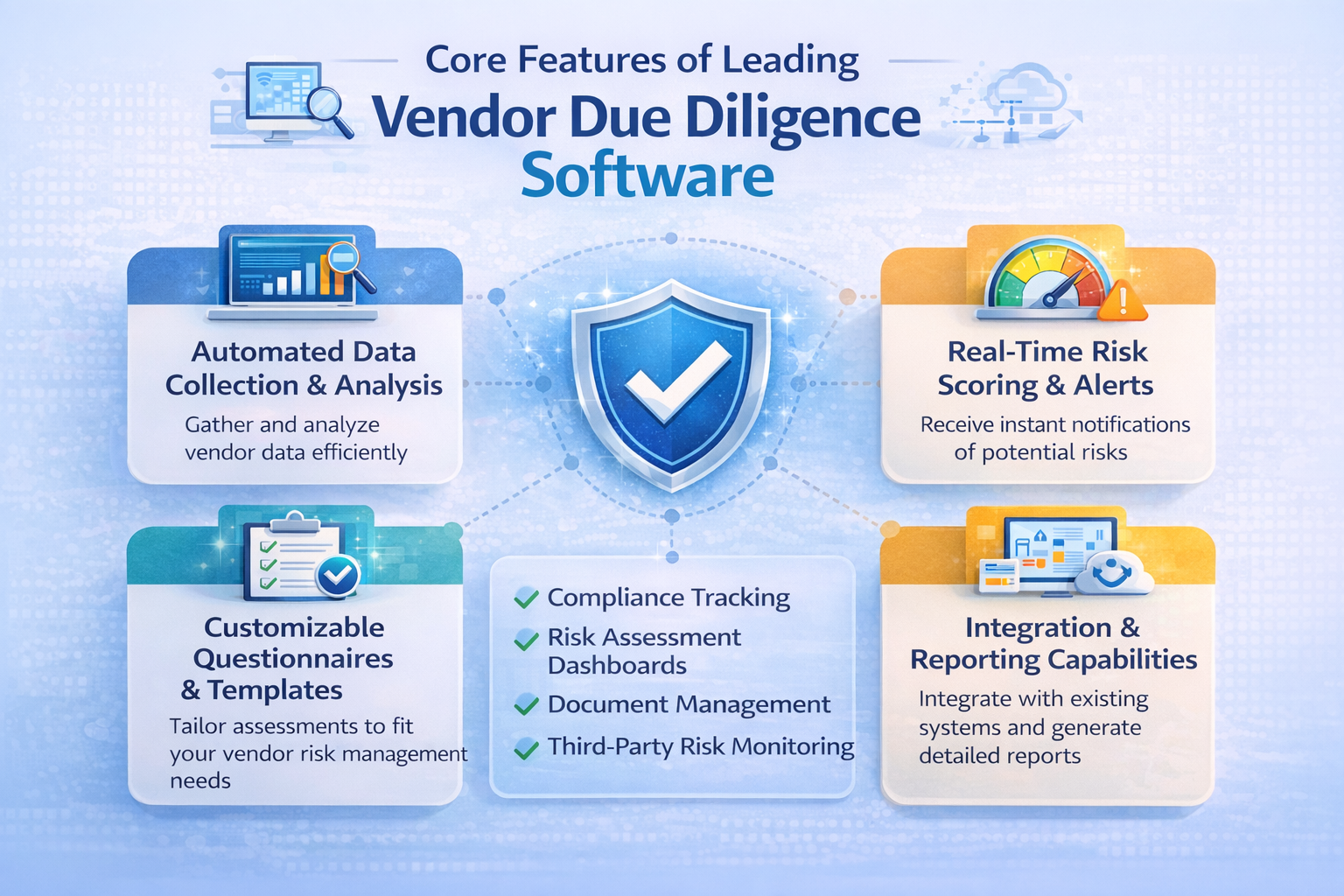
When evaluating vendor due diligence software, it’s essential to understand the features that set the best platforms apart. Leading solutions come equipped with advanced tools designed to streamline the due diligence process, minimize manual effort, and reduce human error. Below are the key features to look for:
Automated Data Collection and Analysis
The first step in any due diligence process is gathering relevant data. Manually collecting this data from various sources is not only time-consuming but also prone to errors. Modern vendor due diligence software automates this step by pulling information from multiple sources, including public databases, financial reports, and third-party ratings. This automation ensures that the data is current, accurate, and comprehensive.
Real-time Risk Scoring and Alerts
Real-time risk scoring is one of the most powerful features of modern vendor management software. Instead of waiting for periodic assessments, businesses can track the health of their vendors on an ongoing basis. Risk scores are updated in real-time, reflecting any changes in a vendor’s financial status, compliance posture, or performance metrics. This enables organizations to react quickly to emerging risks, such as a cybersecurity breach or non-compliance with regulations, and take corrective action before the issue escalates.
Integration Capabilities
To avoid silos and ensure that vendor data flows seamlessly across an organization, effective due diligence software must integrate easily with existing systems, such as GRC platforms, ERP tools, and Customer Relationship Management (CRM) systems. Integration helps streamline workflows, enables better decision-making, and ensures that due diligence becomes an integral part of the organization’s broader risk management framework.
Customizable Questionnaires and Assessment Templates
Each organization faces unique risks depending on the nature of their business and the type of vendors they engage with. Leading due diligence platforms allow for customizable questionnaires and templates that align with the company’s specific risk profile, compliance needs, and industry regulations. This flexibility ensures that each vendor is evaluated based on factors that are most relevant to your organization.
Compliance Tracking and Reporting
Regulatory compliance is a critical component of vendor due diligence. With rapidly changing regulations in industries such as healthcare, finance, and technology, staying compliant is an ongoing challenge. Leading vendor due diligence software tracks a vendor’s compliance status and generates detailed reports, simplifying audit processes and ensuring that vendors continue to meet the necessary legal requirements.
Comparative Analysis of Top Vendor Due Diligence Tools
With numerous vendor due diligence tools on the market, it’s important to evaluate which solution best suits your organization’s needs. We will now compare several leading solutions: SignalX, Bitsight, UpGuard, OneTrust, AuditBoard, and ProcessUnity.
SignalX
SignalX distinguishes itself with its deep integration of AI and machine learning. The platform analyzes vast amounts of data, dynamically adjusting vendor risk scores in real-time. Its ability to provide continuous, automated risk assessments makes it a great choice for organizations that need to monitor vendors consistently and proactively.
Bitsight
Bitsight is a leader in cybersecurity risk management, specializing in monitoring vendors’ security posture. The platform provides detailed risk assessments based on a vendor’s cybersecurity practices, such as encryption protocols and incident response capabilities. It’s ideal for organizations where cybersecurity risks are top priority.
UpGuard
UpGuard offers a robust, user-friendly platform that helps organizations evaluate a vendor’s security and financial risks. UpGuard focuses on continuous monitoring, offering a seamless experience for users who want to stay on top of any potential vulnerabilities throughout the vendor lifecycle.
Selecting the Right Vendor Due Diligence Software for Your Organization
Choosing the right vendor due diligence software depends on several factors, including your organization’s size, risk profile, budget, and specific needs. It’s important to assess not only the features of the software but also its scalability, integration capabilities, and the level of support provided by the vendor.
Key Considerations:
- Scalability: Ensure that the software can grow with your organization’s needs.
- Ease of Use: The platform should be intuitive to use, with minimal training required.
- Compliance Support: If your industry is heavily regulated, choose a platform that excels at tracking and managing compliance requirements.
your industry is heavily regulated, choose a platform that excels at tracking and managing compliance requirements.
Implementation Best Practices
Successful deployment of vendor due diligence software requires careful planning. First, ensure that all relevant stakeholders are involved in the decision-making process, including risk managers, IT, and compliance officers. Once the software is selected, plan for training, integration, and continuous evaluation. Having a structured change management process in place will ensure that the transition to automated vendor assessments is smooth.
Future Trends in Vendor Due Diligence Software
Looking ahead, vendor due diligence software will continue to evolve with emerging technologies. Blockchain could play a crucial role in enhancing transparency and trust in the vendor assessment process. Predictive analytics will help organizations identify potential risks before they occur, while ESG considerations will become an increasingly important part of the due diligence process, allowing businesses to partner with vendors that align with their sustainability goals.
Conclusion
Vendor due diligence is no longer a one-time task but a continuous process that demands attention to detail and the ability to react quickly to changing conditions. Vendor due diligence software is crucial for organizations that wish to proactively manage risks and build strong, compliant partnerships. By investing in the right solution, companies can stay ahead of potential threats, protect their brand reputation, and ensure the long-term success of their vendor relationships.
By following the best practices outlined in this guide, your organization can confidently navigate the complexities of vendor risk management in 2026 and beyond.
FAQ
1. What is vendor due diligence software?
Vendor due diligence software automates the process of assessing and managing risks associated with third-party vendors. It helps organizations evaluate factors like financial stability, security posture, compliance, and operational capacity to ensure vendors meet necessary requirements.
2. Why is vendor due diligence important?
Vendor due diligence helps businesses minimize risks such as data breaches, financial instability, and regulatory violations. By assessing a vendor’s capabilities and risks, organizations can make informed decisions and avoid costly disruptions.
3. How does AI improve vendor due diligence?
AI improves vendor due diligence by automating risk assessments, continuously monitoring vendors, and identifying potential issues faster than traditional manual methods. AI algorithms can analyze large datasets, detect anomalies, and provide real-time risk scoring, enhancing decision-making.
4. What are the key features to look for in vendor due diligence software?
Key features include automated data collection, real-time risk scoring and alerts, customizable questionnaires, compliance tracking, and seamless integration with existing systems like GRC and ERP platforms.
5. What are the top vendor due diligence software solutions?
Some leading solutions include SignalX, Bitsight, UpGuard, OneTrust, AuditBoard, and ProcessUnity. Each offers unique features, with strengths in areas like cybersecurity, compliance, and vendor monitoring.
6. How do I choose the right vendor due diligence software for my business?
When choosing software, consider your organization’s specific needs, such as scalability, ease of use, and the ability to integrate with your existing systems. Be sure to evaluate support services and customization options, and assess how the software aligns with your industry’s regulatory requirements.