Automated Tools for Supplier Compliance Checks





In today’s interconnected global economy, supply chains stretch across continents, jurisdictions, and regulatory environments. While this global reach offers businesses access to competitive pricing and specialized expertise, it also introduces significant compliance challenges. Supplier compliance has evolved from a simple contractual obligation into a strategic priority that can directly impact a company’s reputation, operational continuity, and financial stability.
Organizations are now expected to ensure that their suppliers adhere to environmental regulations, labor standards, data protection laws, anti-corruption policies, and industry-specific certifications. A single compliance failure in the supply chain can trigger legal penalties, reputational damage, and disruptions that ripple across the business ecosystem. As regulatory scrutiny intensifies and stakeholders demand transparency, manual compliance checks are proving insufficient.
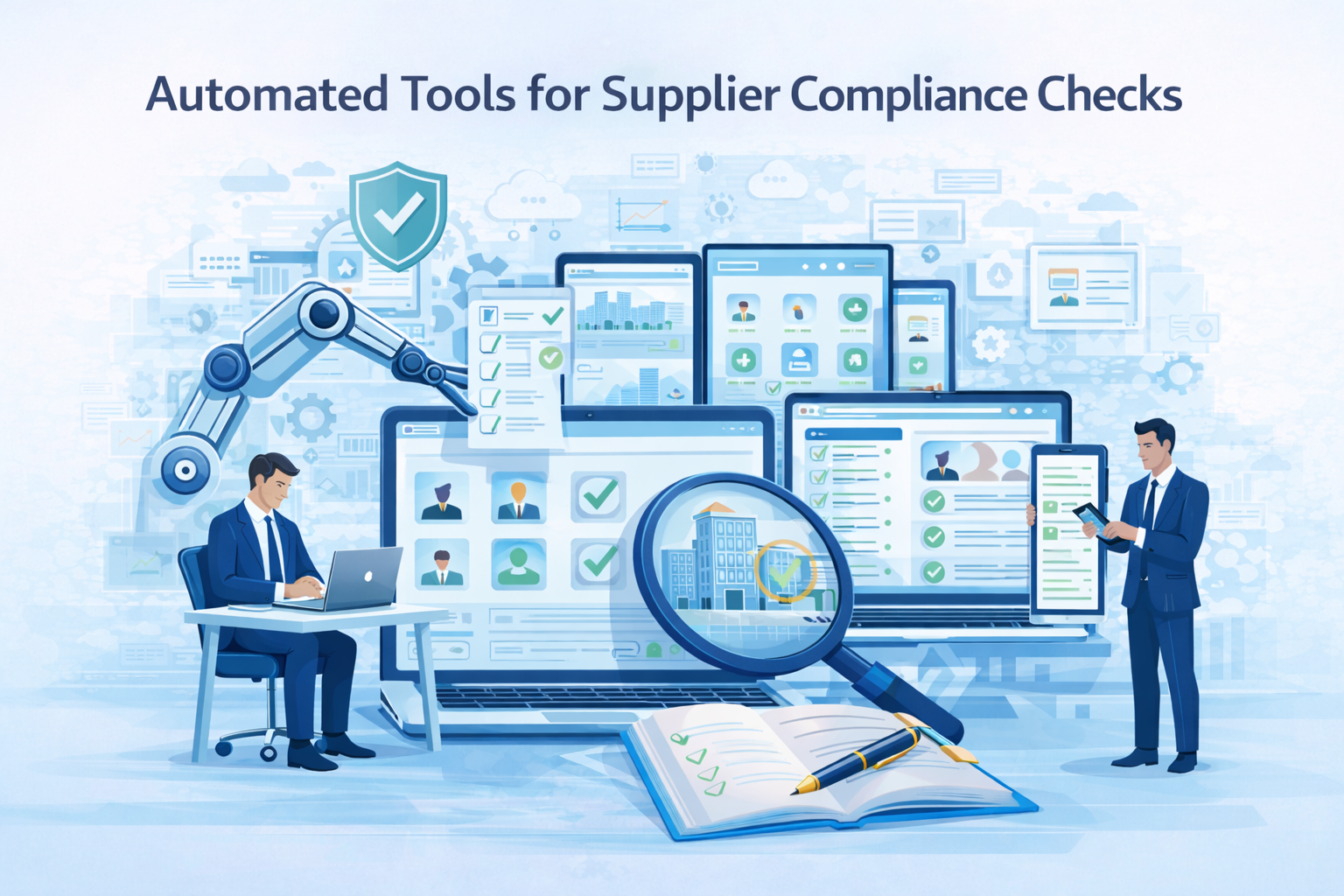
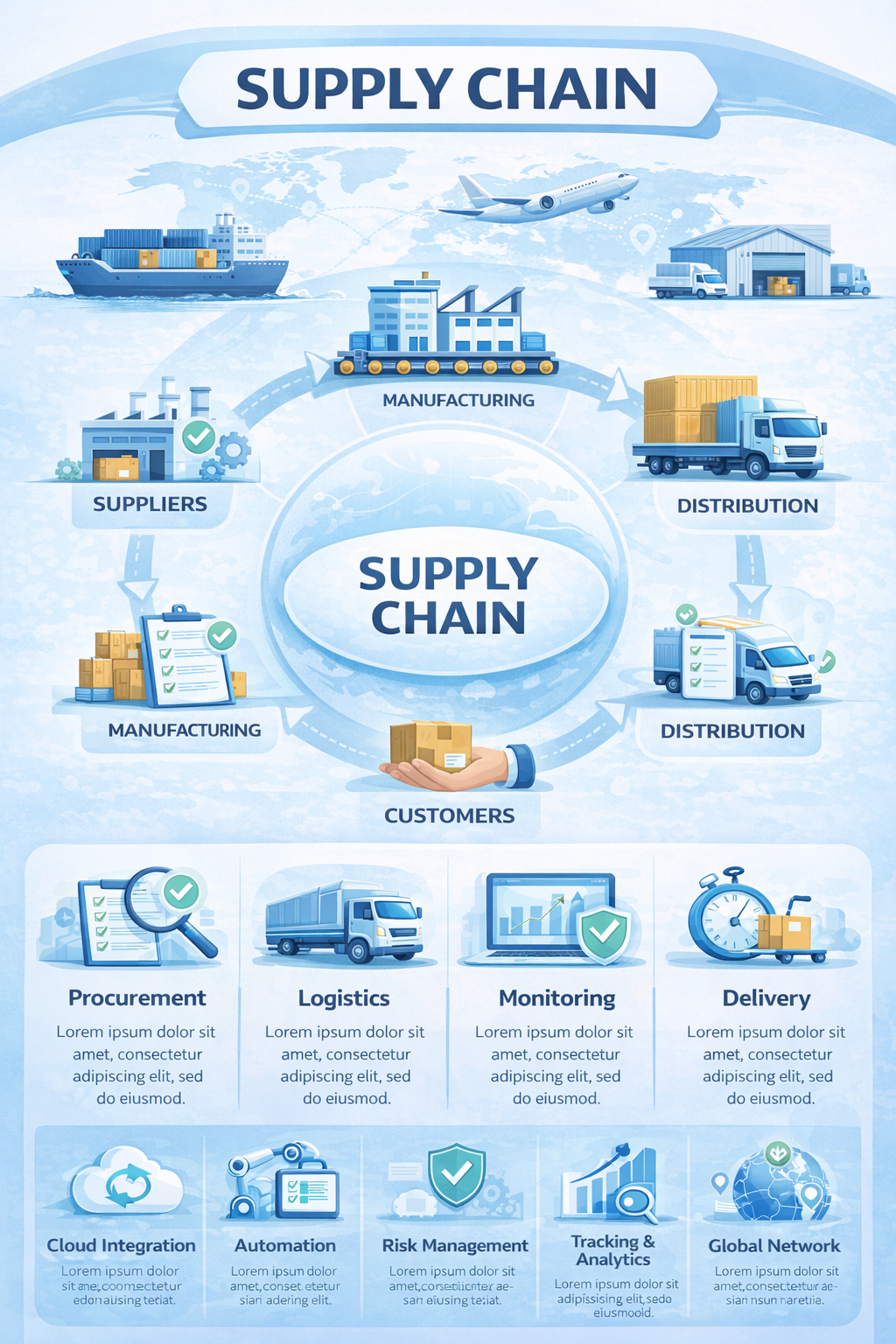
Traditionally, compliance verification involved spreadsheets, emails, audits, and paper-based documentation. These methods are time-consuming, error-prone, and difficult to scale. As supply networks grow more complex, companies are turning to automation to modernize and strengthen their compliance frameworks. Automated tools for supplier compliance checks are emerging as transformative solutions that streamline processes, enhance accuracy, and provide real-time visibility into risk exposure.
Understanding Supplier Compliance
Supplier compliance refers to the process of ensuring that vendors, contractors, and third-party partners adhere to established standards, regulations, and contractual requirements. These standards may be defined by governments, industry bodies, or internal corporate policies. Compliance can encompass a wide range of obligations, including environmental regulations, ethical sourcing practices, labor laws, health and safety standards, cybersecurity protocols, and quality assurance benchmarks.
In industries such as pharmaceuticals, manufacturing, food production, and finance, compliance requirements are particularly stringent. Companies must verify certifications, conduct risk assessments, and maintain documentation to demonstrate regulatory adherence. Beyond legal mandates, many organizations adopt voluntary standards such as sustainability commitments or corporate social responsibility guidelines, further increasing the scope of compliance oversight.
The risks associated with non-compliance are significant. Financial penalties, import restrictions, product recalls, and litigation are immediate consequences. Long-term repercussions can include reputational harm and erosion of stakeholder trust. Investors and consumers are increasingly scrutinizing supply chain practices, expecting transparency and accountability. Therefore, effective supplier compliance is no longer optional; it is a critical component of risk management and corporate governance.
The Rise of Automation in Compliance Checks
Technological advancements in cloud computing, artificial intelligence, and data analytics have reshaped how organizations manage compliance. Automation tools now enable companies to centralize supplier data, track regulatory changes, and conduct continuous monitoring without relying solely on manual intervention.
In traditional compliance systems, teams often reviewed documents periodically, conducted on-site audits, and manually followed up with suppliers. These processes were reactive rather than proactive. Information silos and fragmented communication further complicated oversight. As the volume of suppliers increased, maintaining consistent standards became increasingly challenging.
Automated compliance tools address these limitations by digitizing workflows and integrating compliance management into broader supply chain systems. Instead of waiting for scheduled reviews, organizations can receive instant alerts when certifications expire, risk indicators change, or regulatory requirements are updated. Automation reduces human error, accelerates document verification, and enables compliance teams to focus on strategic risk mitigation rather than administrative tasks.
Efficiency and accuracy are among the most notable benefits. Automated systems can analyse vast datasets in seconds, flag anomalies, and generate comprehensive reports. By reducing repetitive manual processes, companies can allocate resources more effectively and respond swiftly to emerging risks.
Key Features of Automated Compliance Tools
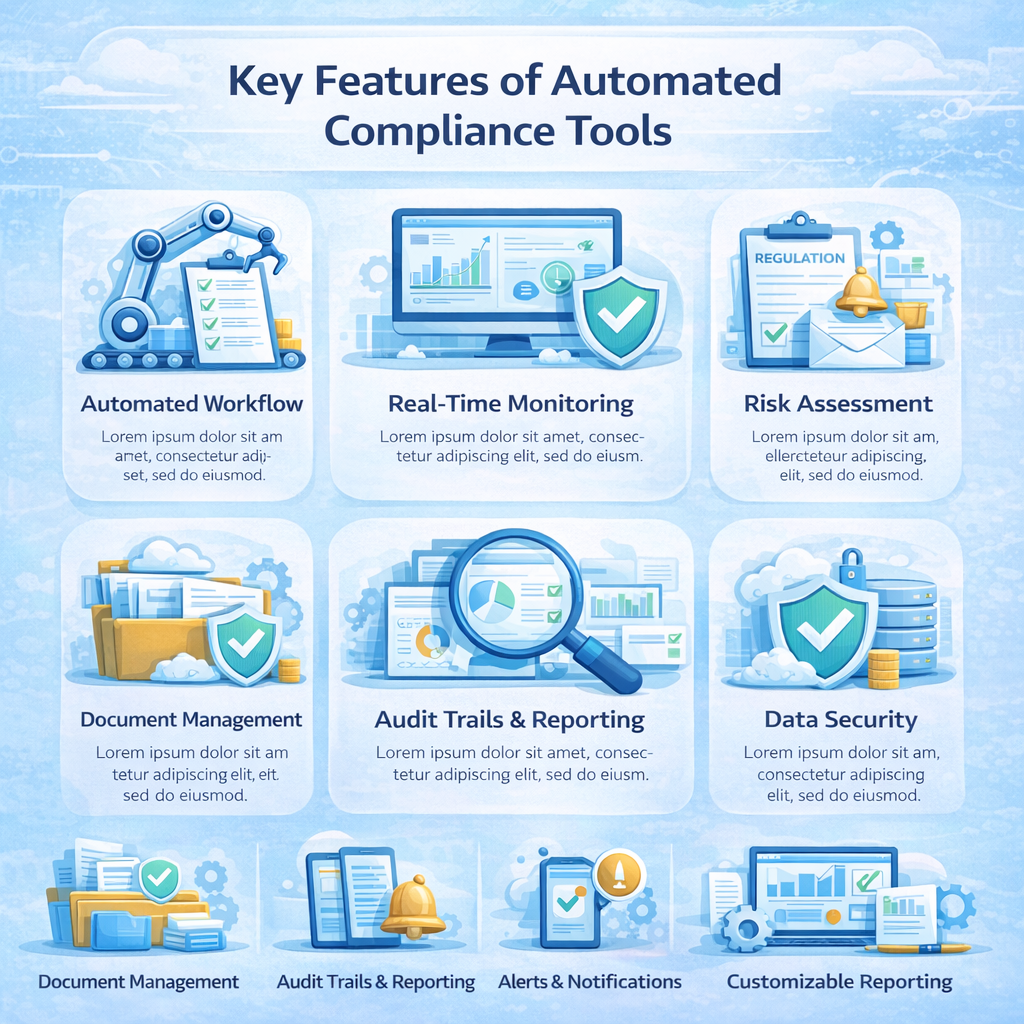
Modern automated compliance platforms are designed to provide comprehensive oversight across the supplier lifecycle One of their most valuable capabilities is real-time monitoring. These systems continuously track supplier credentials, certifications, and risk indicators, ensuring that businesses remain informed about potential compliance gaps. Automated alerts notify relevant stakeholders when action is required, preventing issues from escalating.
Integration with existing supply chain management systems is another critical feature. Rather than operating in isolation, compliance tools connect seamlessly with procurement, enterprise resource planning (ERP), and vendor management systems. This integration ensures data consistency and eliminates redundant data entry, improving overall operational efficiency.
Customizable compliance checklists allow organizations to tailor requirements to their specific industry and regulatory environment. Businesses can define mandatory documentation, establish approval workflows, and create standardized reporting formats. Such flexibility ensures that compliance programs align with both global standards and company-specific policies.
Advanced data analytics and risk assessment capabilities further enhance decision-making. By analyzing historical data and performance metrics, automated tools can identify patterns that indicate potential compliance risks. Predictive insights help organizations proactively address vulnerabilities before they result in regulatory violations or supply chain disruptions.

Case Study: SignalX’s Approach to Supplier Compliance
SignalX has positioned itself as an innovative provider of automated compliance solutions tailored to modern supply chains. Its platform is designed to centralize supplier data, automate verification processes, and provide actionable insights through advanced analytics.
One of SignalX distinguishing features is its dynamic risk scoring model. The platform continuously evaluates supplier performance based on regulatory updates, financial health indicators, and operational metrics. This real-time risk assessment enables businesses to prioritize high-risk suppliers and allocate oversight resources strategically.
SignalX also emphasizes user-friendly dashboards that present complex compliance data in clear, visual formats. Decision-makers can quickly access compliance statuses, pending tasks, and performance trends without navigating cumbersome reports. The platform’s integration capabilities ensure seamless connectivity with procurement and ERP systems, minimizing disruption during implementation.
Clients using SignalX have reported significant reductions in manual administrative workload and faster resolution of compliance issues. By automating document collection and verification, organizations have improved audit readiness and enhanced transparency across their supply chains. Testimonials highlight improved collaboration between procurement and compliance teams, as well as increased confidence in regulatory adherence.
Comparing Top Automated Compliance Tools
The market for automated compliance solutions has expanded rapidly, offering a range of platforms designed to address diverse industry needs. Leading tools, including SignalX and other established providers, differ in terms of feature depth, pricing models, and scalability.
Some platforms excel in user experience, offering intuitive dashboards and simplified onboarding processes. Others prioritize advanced analytics and artificial intelligence capabilities, delivering predictive risk modeling and automated regulatory updates. Pricing structures may vary from subscription-based models to tiered packages based on supplier volume.
When comparing tools, organizations should consider integration capabilities, customization options, reporting features, and customer support quality. A solution that aligns closely with existing workflows and provides responsive technical assistance can significantly impact long-term success.
While each platform offers unique advantages, SignalX stands out for its emphasis on dynamic risk assessment and seamless integration. Its ability to combine automation with data-driven insights makes it a compelling option for companies seeking both operational efficiency and strategic risk management.
Implementing Automated Compliance Checks in Your Organization
Successfully adopting automated compliance tools requires careful planning and strategic alignment. The first step involves assessing current compliance processes. Organizations should identify pain points, evaluate documentation workflows, and determine where manual inefficiencies exist. This internal audit provides clarity on the specific capabilities required from an automated solution.
Selecting the right tool involves evaluating vendor reputation, feature compatibility, and scalability. Companies should consider whether the platform can accommodate future growth and evolving regulatory requirements. Pilot testing can help validate functionality and user adoption before full-scale implementation.
Integration is a critical phase. Aligning compliance software with procurement and ERP systems ensures seamless data flow and reduces duplication. Training staff members to use the new platform effectively is equally important. Clear communication about the benefits of automation can ease resistance and encourage engagement.
Establishing clear governance structures and monitoring performance metrics ensures that automation delivers measurable improvements. Continuous evaluation and feedback loops allow organizations to refine processes and maximize return on investment.
Future Trends in Supplier Compliance Automation
The future of supplier compliance automation is closely tied to advancements in artificial intelligence and machine learning. AI-driven systems can analyze unstructured data, detect anomalies, and predict compliance risks with increasing accuracy. As algorithms evolve, automated tools will become more adept at identifying subtle patterns that signal potential violations.
Blockchain technology also holds promise for enhancing transparency and traceability in supply chains. By creating immutable records of transactions and certifications, blockchain can reduce fraud and improve trust among stakeholders. Integrating blockchain with compliance platforms could streamline verification processes and ensure data integrity.
Predictive analytics will play an expanding role in proactive compliance management. Instead of merely responding to existing issues, organizations will leverage predictive insights to anticipate regulatory changes and supplier performance challenges. This forward-looking approach will strengthen resilience and enable businesses to stay ahead of evolving compliance demands.
Conclusion
Supplier compliance is a cornerstone of responsible and sustainable business operations. As supply chains grow more intricate and regulatory expectations intensify, manual compliance methods are no longer sufficient. Automated tools provide the efficiency, accuracy, and real-time visibility necessary to manage compliance effectively in a complex global landscape.
By embracing automation, organizations can reduce administrative burdens, enhance risk management, and strengthen stakeholder trust. Platforms like SignalX demonstrate how technology can transform compliance from a reactive obligation into a strategic advantage. Companies that invest in automated solutions today will be better positioned to navigate tomorrow’s regulatory challenges and maintain competitive resilience.
Frequently Asked Questions (FAQs)
1. What is supplier compliance automation?
Supplier compliance automation refers to the use of software tools to monitor, verify, and manage supplier adherence to regulatory, contractual, and ethical standards without relying solely on manual processes.
2. Why is manual compliance checking no longer sufficient?
Manual processes are time-consuming, prone to errors, and difficult to scale. As supply chains expand and regulations evolve, automation ensures consistent oversight and real-time monitoring.
3. How do automated tools improve risk management?
Automated platforms analyse supplier data continuously, identify potential risk indicators, and provide alerts, enabling proactive mitigation before issues escalate.
4. Can automated compliance tools integrate with existing systems?
Yes, most modern solutions integrate with ERP, procurement, and vendor management systems to ensure seamless data exchange and operational efficiency.
5. Are automated compliance tools suitable for small businesses?
Many providers offer scalable solutions tailored to organizations of different sizes. Small businesses can benefit from streamlined processes and improved regulatory adherence.
6. What industries benefit most from supplier compliance automation?
Industries with strict regulatory requirements such as healthcare, manufacturing, finance, and food production benefit significantly, though automation is valuable across all sectors.
7. How can companies measure the ROI of compliance automation?
ROI can be assessed by evaluating reduced administrative workload, fewer compliance violations, improved audit readiness, and enhanced supply chain transparency.