Vendor Registration Forms: Key Information You Need to Include
In the fast-paced world of business partnerships, a Vendor Registration Forms is more than just a formality. It’s a vital first step in establishing a solid, reliable, and professional relationship between companies and their suppliers. But what exactly should be included in this essential document to ensure that everything runs smoothly?
Why a Vendor Registration Form is More Than Just a Formality
A Vendor Registration Forms serves multiple purposes beyond simply capturing contact information. It’s a crucial part of the onboarding process that helps businesses gather necessary data from vendors to:
- Ensure compliance with tax laws, legal requirements, and industry regulations.
- Establish trust and transparency with new suppliers.
- Streamline workflows by reducing the back-and-forth communication once the relationship begins.
By designing a well-structured Vendor Registration Form, you lay the foundation for smooth, efficient operations with your vendors, reducing the risk of misunderstandings or delays in the future.
Vendor Registration Form Essential Elements:
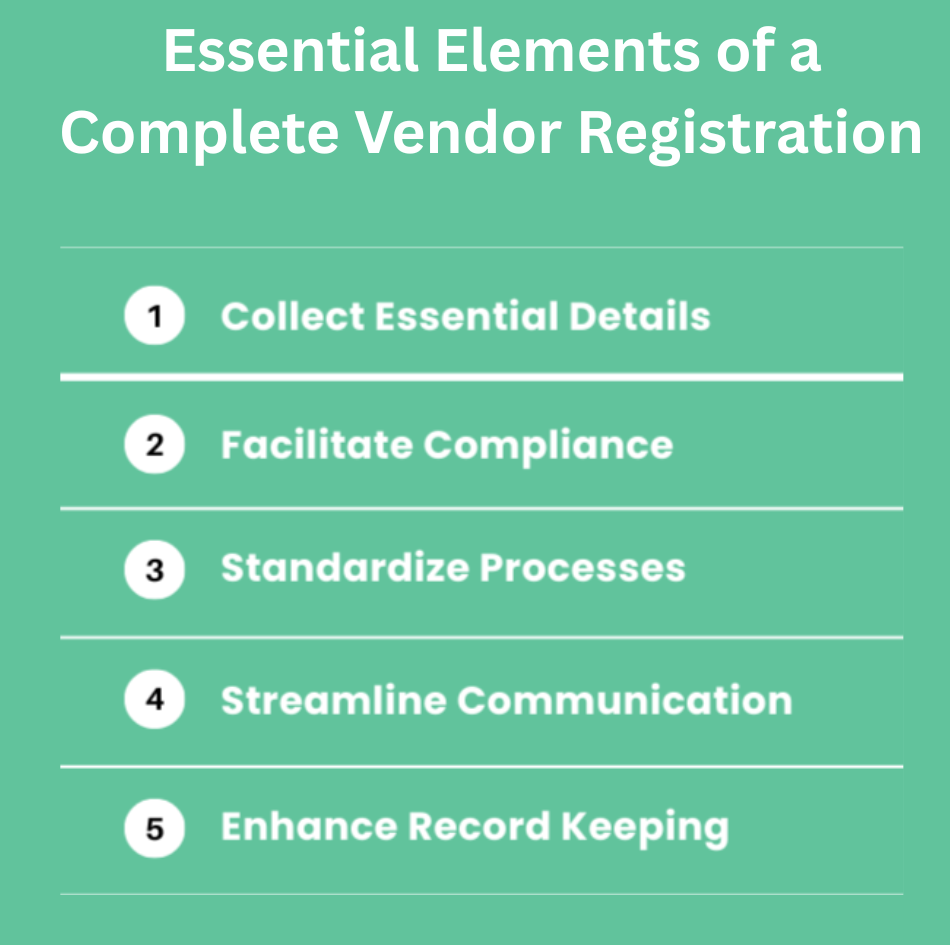
A well-crafted Vendor Registration Forms serves as the foundation for smooth operations and effective partnerships. By gathering the right information upfront, you can avoid delays, misunderstandings, and ensure that your vendors are aligned with your company’s expectations. Let’s dive into the specific sections that should be included to make the process seamless and efficient for both parties.
1. Company Information: Establishing the Vendor’s Identity
Before diving into the specifics, it’s crucial to get a snapshot of the vendor’s business. This section serves to verify the legitimacy of the vendor and make sure they are properly registered.
- Legal Business Name: The official name of the company.
- Doing Business As (DBA): If the vendor operates under a different name.
- Business Structure: Sole proprietorship, corporation, LLC, etc.
- Tax ID Number (TIN): Also known as Employer Identification Number (EIN).
- Physical Address: Vendor’s business location.
- Mailing Address: If different from the physical address, where official documents should be sent.
This basic information verifies the vendor’s identity and provides essential details for future transactions and communications.
2. Contact Information: Connecting the Dots
Next, you’ll want to capture contact details to ensure that communication flows smoothly between both parties.
- Primary Contact Person: Full name of the vendor’s representative.
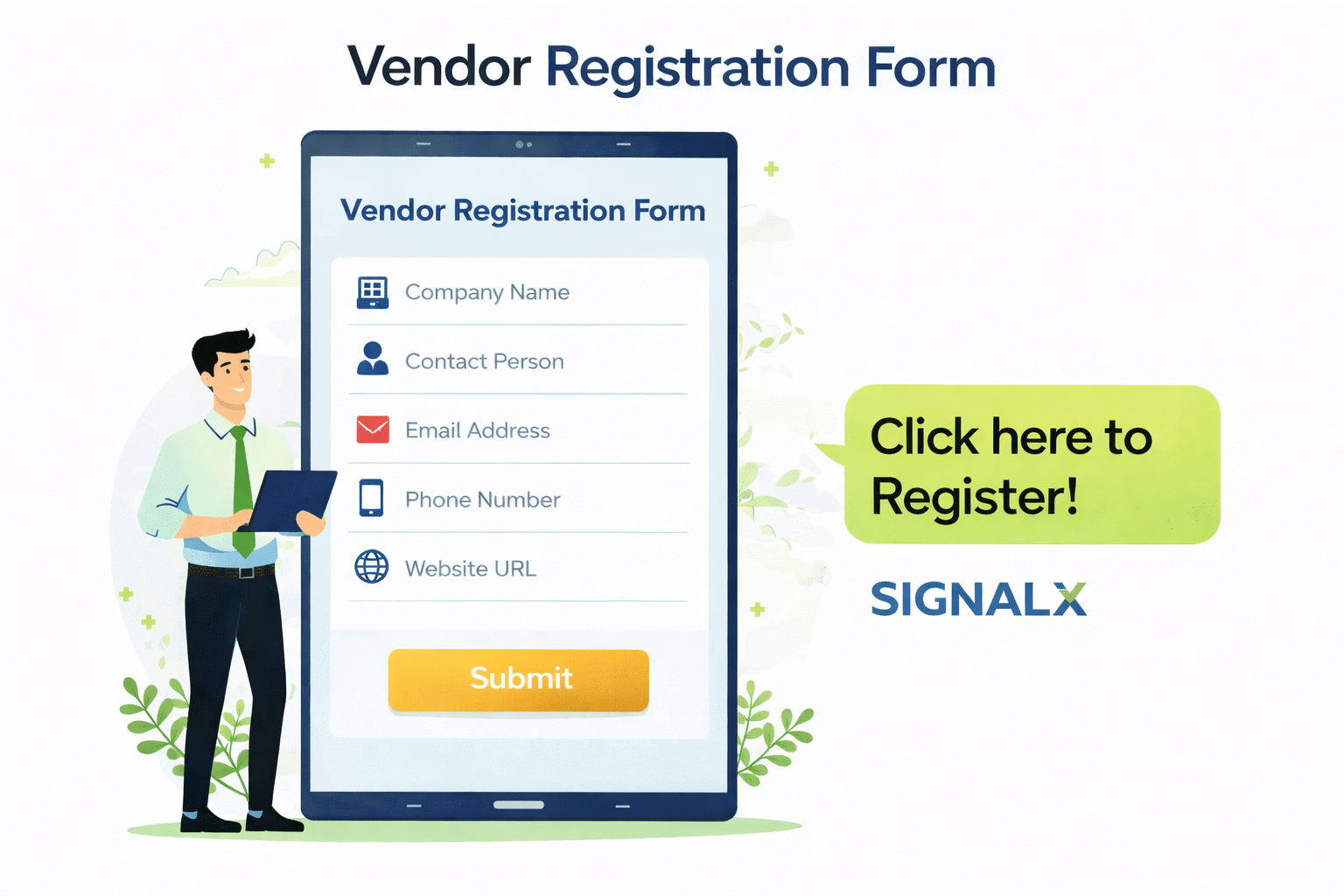
- Phone Number: Mobile or office number for quick communication.
- Email Address: The best email for business correspondence.
- Website URL: For quick access to the vendor’s online presence.
This information will help maintain a clear line of communication between your business and the vendor, which is crucial for managing day-to-day operations.
3. Banking Information: Making Payments Smooth
To avoid delays and ensure that your payments are processed accurately, it’s essential to gather banking information upfront.
- Bank Name: The vendor’s financial institution.
- Bank Account Number: For direct deposit or wire transfers.
- Bank Routing Number: Required for ACH transfers.
- Preferred Payment Method: (ACH, wire transfer, check, etc.)
By including this section, you make the payment process more efficient and avoid any miscommunication when it’s time to settle invoices.
4. Products and Services: Clarifying Offerings
What exactly does the vendor offer? This section helps you understand the scope of their products or services and ensures alignment with your company’s needs.
- Description of Products/Services: A brief summary of what the vendor provides.
- Product Categories: A breakdown of the different types of goods or services.
- Price List or Catalogue: Optional, but can be useful for large vendors with varied offerings.
Including these details allows you to quickly assess whether the vendor’s offerings meet your needs and helps in negotiating contracts later on.
5. Certifications and Licenses: Ensuring Compliance
For many industries, certain certifications, licenses, or qualifications are essential for working with specific vendors. These documents provide assurance that the vendor complies with industry standards, local laws, and safety regulations.
- Business License Number: Ensures the vendor is legally operating in their jurisdiction.
- Certifications: Relevant industry certifications like ISO, environmental certifications, etc.
- Insurance Information: Proof of liability insurance or other necessary coverage.
This section is critical to mitigate potential risks and ensure that vendors meet required legal and quality standards.
6. References and Experience: Vetting the Vendor
When selecting a vendor, it’s important to vet their experience and reliability. This section allows vendors to provide references and proof of their track record.
- Business References: Names and contact info of companies they’ve worked with.
- Previous Clients or Projects: Highlights their experience in your industry.
- Years of Experience: Indicates how long the vendor has been in business.
This information allows you to verify the vendor’s reliability, giving you confidence in your decision.
7. Terms and Conditions: Setting Expectations
A Vendor Registration Form isn’t a contract, but it can lay the groundwork for future agreements. This section outlines expectations and terms for both parties, making future negotiations smoother.
- Payment Terms: Payment timelines (e.g., 30 days after invoice).
- Shipping/Delivery Terms: Expectations for delivery times, shipping costs, etc.
- Return/Refund Policy: What to do if the goods are damaged or not up to standard.
- Non-Disclosure Agreement (NDA): If necessary, to protect confidential information.
This section helps set clear boundaries and avoid misunderstandings later on.
Best Practices for Creating a Vendor Registration Form
To make the process as efficient as possible, keep these tips in mind:
Keep it Simple and User-Friendly: A cluttered, complex form can discourage vendors from completing it. Keep your questions straightforward and easy to understand.
- Go Digital: Use online forms for faster data collection, easier tracking, and a better overall experience for your vendors.
- Request Only What’s Necessary: Ask for the essential details and avoid overloading vendors with too many questions upfront.
By following these best practices, you ensure a smoother process that benefits both parties.
Conclusion
A Vendor Registration Forms is a crucial element of any business’s procurement process. By gathering all the right information upfront, everything from company details to banking info you lay the foundation for a successful, transparent relationship with your vendors. With the right form in place, you set the stage for smoother transactions and fewer headaches in the future.
Frequently Asked Questions (FAQ)
Q: Why is a vendor registration form important?
A: A vendor registration form helps verify the legitimacy of the vendor, ensures compliance, and streamlines the onboarding process.
Q: Can I complete the vendor registration form online?
A: Yes! Many businesses now use online platforms to make completing the form quick and efficient.
Q: What happens after I submit the vendor registration form?
A: After submission, the form is reviewed by the business, and if everything checks out, you’ll move on to the next steps in the vendor onboarding process.
Q: Is the vendor registration form a legally binding contract?
A: No, the vendor registration form is a tool for gathering necessary information. It is typically not a binding contract but a step towards creating one.


Samruddhi Kulkarni
Samruddhi is a marketing professional who creates content that simplifies complex topics such as third-party risk management, compliance, and vendor governance. By combining market research, insights, and domain understanding, she develops blogs, e-books, and best-practice guides that help organizations strengthen their risk posture and build long-term resilience.
