Supplier Relationship Management: A Complete Guide
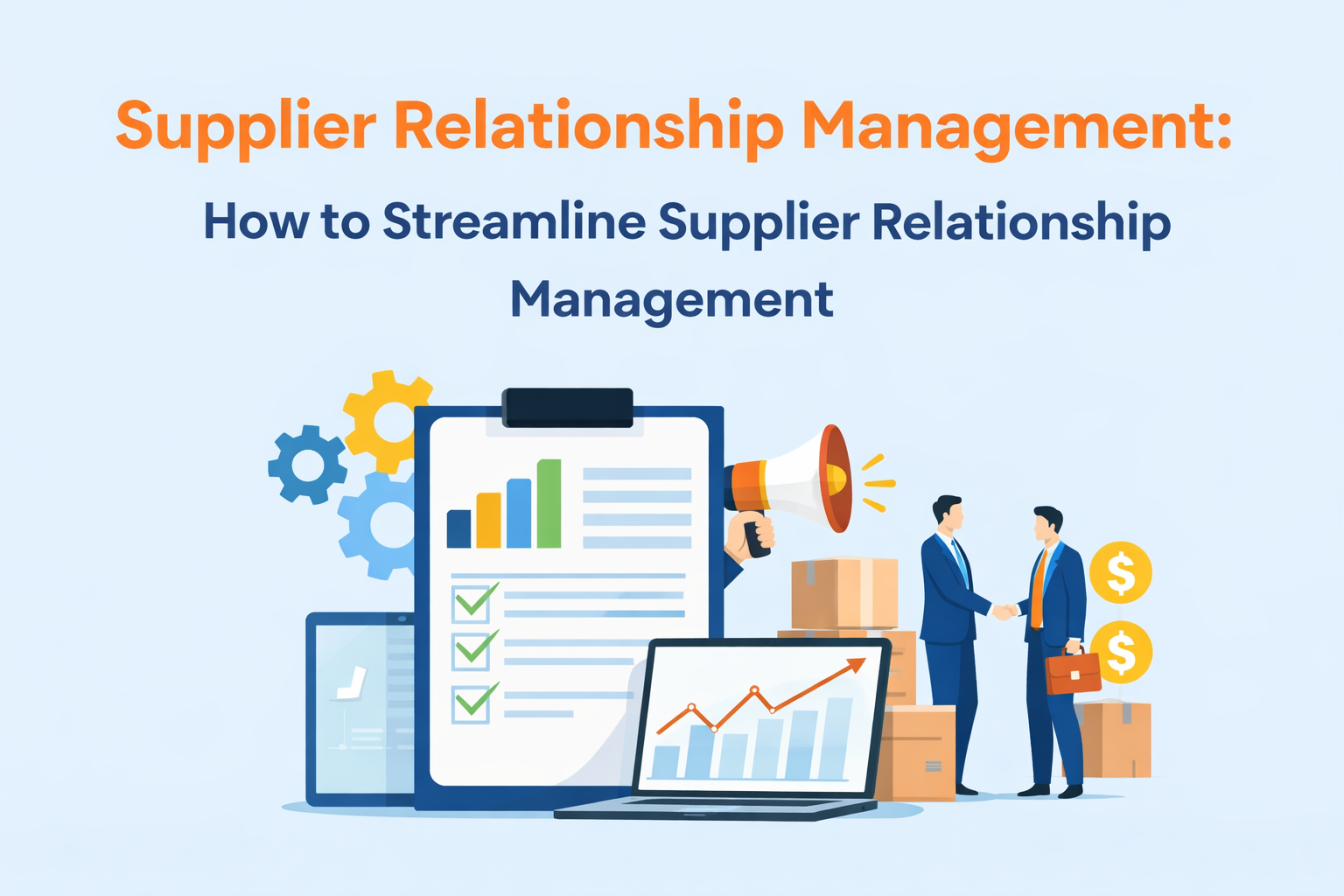





Supplier Relationship Management is no longer limited to managing contracts or negotiating prices. It is a strategic discipline focused on building meaningful, long-term partnerships with suppliers to create mutual value, drive innovation, and strengthen supply chain resilience.
In today’s dynamic business environment, companies that priorities gain a competitive edge through collaboration, transparency, and shared growth.
What is Supplier Relationship Management?
Supplier Relationship Management (SRM) is a structured approach to evaluating, developing, and managing supplier interactions to maximize performance and value. Unlike traditional procurement, supplier relationship management focuses on collaboration rather than transactions.
Core Components of Supplier Relationship Management
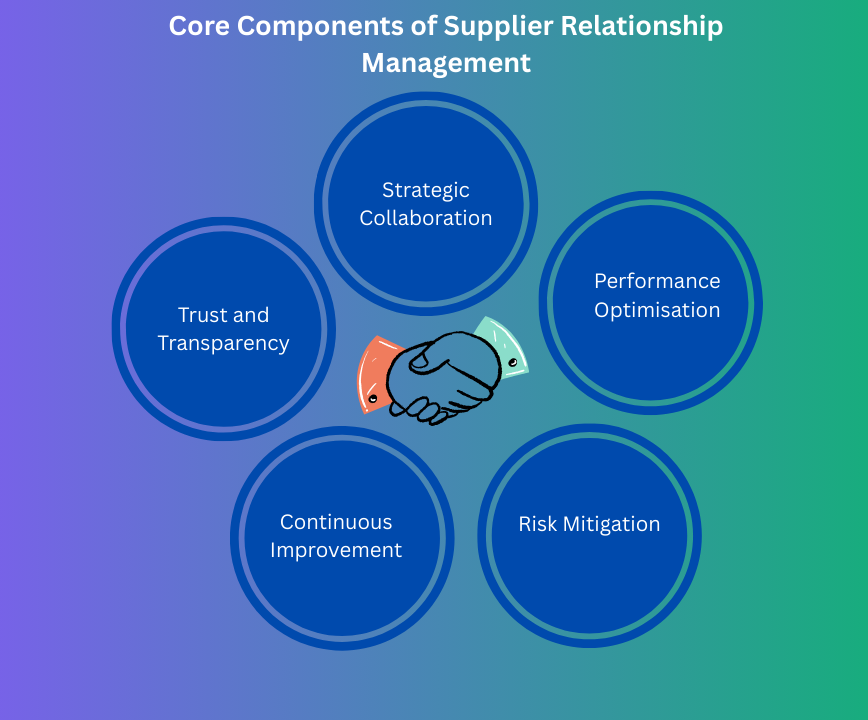
- Strategic Collaboration: Working with suppliers to achieve shared business objectives
- Performance Optimisation: Tracking supplier KPIs to improve quality and reliability
- Risk Mitigation: Identifying supply chain risks early and addressing them proactively
- Continuous Improvement: Encouraging innovation and process enhancement
- Trust and Transparency: Building open, honest communication channels
Why Supplier Relationship Management Matters
It delivers measurable benefits across the organisation:
- Enhanced product and service quality
- Reduced operational and procurement costs
- Improved supplier accountability and reliability
- Faster innovation and time-to-market
- Stronger risk management and supply continuity
- Alignment with sustainability and compliance goals
Organisations that invest in supplier relationship management transform suppliers into strategic partners rather than cost centers.
Start your journey toward better supplier management and operational excellence!
Download our supplier management and operational excellence!
Best Practices for Effective Supplier Relationship Management
To build a successful supplier relationship management framework, businesses should follow these proven practices:
1. Segment Suppliers Strategically
Segment suppliers based on their impact on cost, quality, risk, and innovation to focus your **supplier relationship management efforts where they matter most.
2. Define Clear Expectations
Establish transparent performance expectations related to pricing, delivery, quality, and compliance. Clear guidelines reduce misunderstandings and strengthen supplier trust.
3. Leverage Technology
Modern supplier relationship management platforms enable:
- Supplier performance tracking
- Contract and compliance management
- Data-driven insights and reporting
- Centralised communication
4. Encourage Supplier Collaboration
Invite suppliers to participate in product development, cost-saving initiatives, and process improvements. Collaboration is the foundation of strong supplier relationship management.
5. Build Long-Term Partnerships
Reward high-performing suppliers and invest in relationship development.
6. Measure Supplier Performance Regularly
Use metrics such as:
- On-time delivery
- Quality consistency
- Responsiveness
- Cost efficiency
Regular reviews support continuous improvement in supplier relationship management.
7. Focus on Risk and Resilience
Collaborate with suppliers to identify vulnerabilities and develop contingency plans to minimize disruptions.
How Supplier Relationship Management Strengthens Supply Chain Stability
Supply chains today face constant pressure from market volatility, supplier shortages, regulatory changes, and global disruptions. Supplier Relationship Management plays a critical role in creating stability by transforming supplier interactions into proactive, value-driven partnerships.
Instead of reacting to disruptions after they occur, organisations that adopt strong supplier relationship management frameworks are better prepared to anticipate challenges and respond with agility.
Ways Supplier Relationship Management Creates a More Resilient Supply Chain
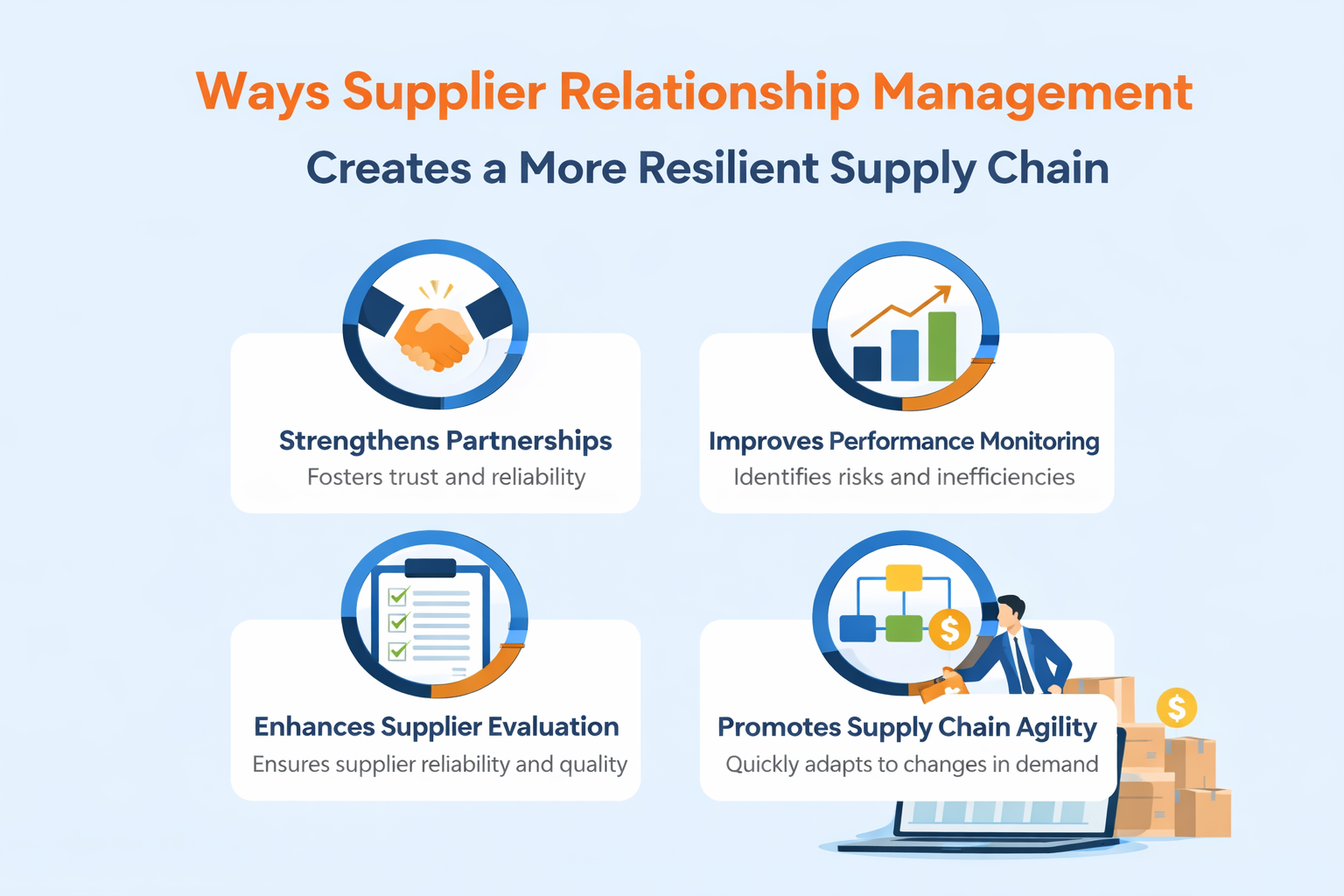
Proactive Issue Resolution: Open communication with suppliers allows potential delays, quality issues, or shortages to be identified and resolved before they escalate.
Stronger Supplier Commitment: Long-term supplier relationship management builds loyalty, ensuring priority support during high-demand or crises.
Improved Demand Alignment: Regular collaboration helps suppliers plan production more accurately, reducing overstocking or stockouts.
Faster Decision-Making: Clear governance structures and trusted relationships enable quicker responses when supply chain adjustments are needed.
Shared Accountability: Supplier relationship management encourages joint ownership of outcomes, leading to better performance and reliability.
Greater Adaptability: Trusted suppliers are more willing to adjust terms, timelines, or processes to support changing business needs.
By focusing on collaboration rather than control, Supplier Relationship Management turns supply chain challenges into opportunities for stronger partnerships and sustained operational continuity.
Conclusion
Supplier Relationship Management is a strategic capability that drives operational efficiency, innovation, and resilience. Organisations that actively invest in supplier relationship management create stronger supply chains, reduce risk, and unlock long-term value.
By focusing on collaboration, transparency, and continuous improvement, businesses can turn suppliers into trusted partners and build a future-ready supply network.
FAQ
1. What is SRM?
SRM is a strategy to manage supplier relationships to maximize value, reduce risk, and drive collaboration.
2. Why is SRM important?
It improves supplier performance, reduces costs, mitigates risk, and builds long-term partnerships.
3. How is SRM different from traditional procurement?
SRM focuses on long-term relationships and strategic collaboration, while procurement is transactional and price-focused.
4. What types of suppliers are involved?
Strategic – High-impact, critical suppliers
Preferred – Reliable, high-performing suppliers
Transactional – Low-risk, low-value suppliers
5. How are suppliers evaluated?
By metrics like quality, delivery, cost, compliance, and innovation.
6. What is a supplier scorecard?
A tool to track and assess supplier performance based on key metrics.
7. How often are supplier reviews held?
Strategic suppliers: Quarterly
Preferred suppliers: Semi-annually
Transactional suppliers: Annually
8. What if a supplier’s performance is poor?
The issue is documented, discussed, and a corrective action plan is implemented.
9. How does SRM help with risk management?
It helps identify and reduce risks by monitoring financial health, compliance, and operational issues.
10. How does SRM encourage collaboration?
Through regular reviews, joint improvement plans, and open communication