Export Challenges for Indian MSMEs: Insights and Solutions for 2026
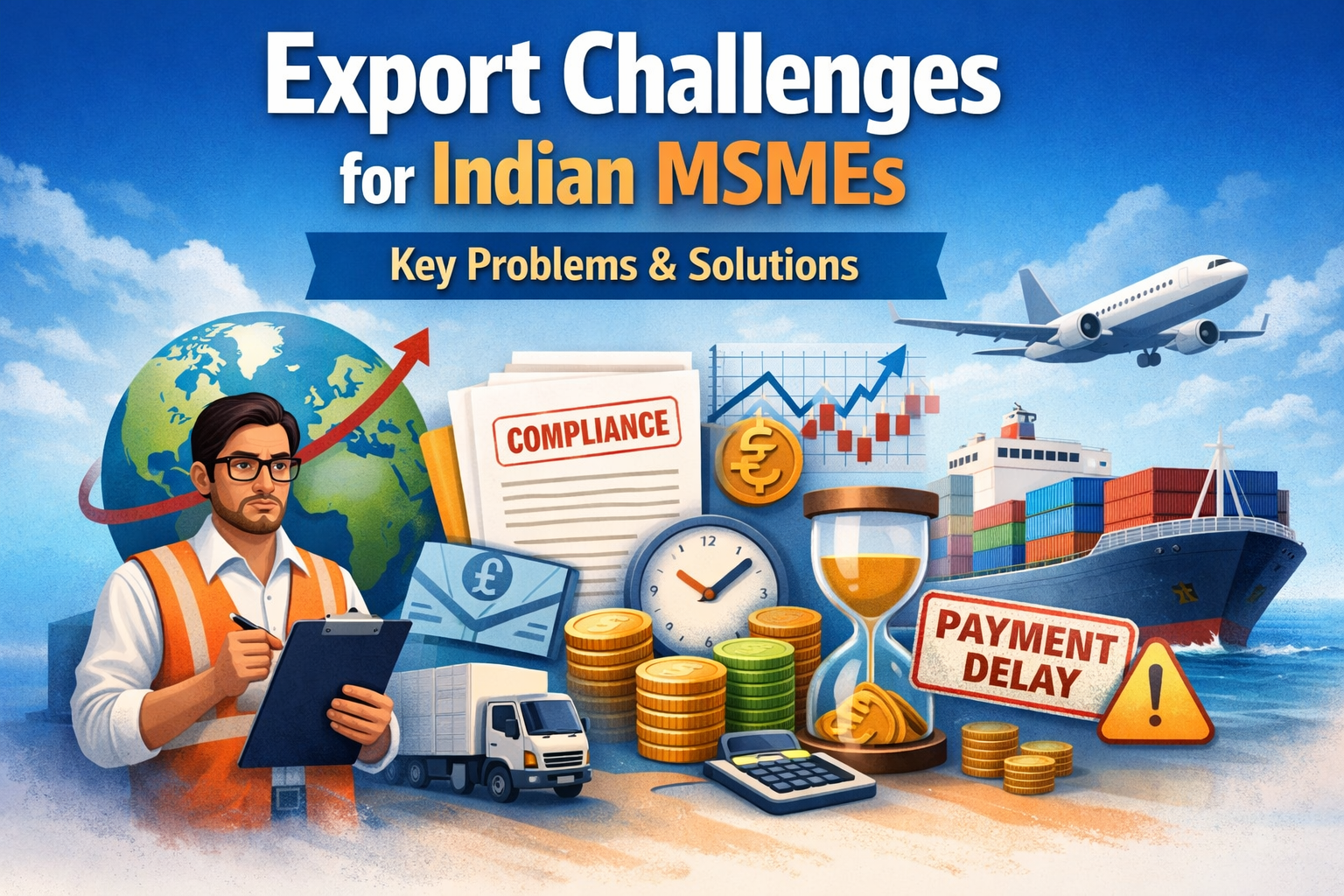
Indian Micro, Small, and Medium Enterprises (MSMEs) are a crucial part of the country’s economy, contributing significantly to employment and economic growth. In recent years, many MSMEs have been looking to expand their horizons and explore international markets to drive growth. However, export challenges for Indian MSMEs remain a significant barrier for many of them. From market awareness and financial hurdles to complex logistics, the road to international expansion can seem daunting.
This blog delves into the most common export challenges faced by Indian MSMEs in 2026, how these barriers impact their global ambitions, and how companies like SignalX are stepping in to offer innovative solutions. Through real-world case studies and expert insights, we’ll explore how MSMEs can successfully navigate these challenges.
Understanding the Export Challenges for Indian MSMEs
India has over 6 crore MSMEs, contributing significantly to exports. However, many businesses face barriers such as:
- Limited access to global market intelligence
- Weak financial risk plannin
- Complex export documentation
Without a clear export risk strategy, MSMEs risk losses, penalties, and delayed payments.
Key Export Challenges for Indian MSMEs and Their Impact on Global Expansion
1. Lack of Awareness and Information About Global Markets
Many Indian MSMEs struggle to access accurate market data or insights into global demand, consumer behavior, and trade regulations. This lack of awareness often leads to poor decision-making when entering foreign markets.
Case Study: SignalX’s Market Intelligence Solution
SignalX, a market intelligence and analytics company, provides data-driven insights to help Indian MSMEs identify potential export markets. One of SignalX’s clients, a small textile manufacturer from Gujarat, struggled to understand demand trends in the European market. By using SignalX’s platform, the company gained access to real-time market data, buyer preferences, and competitor analysis. As a result, the manufacturer was able to enter European markets successfully, customizing its offerings to local preferences.
Solution: MSMEs should leverage market research platforms like SignalX, which offer real-time insights into international trade. By understanding global demand, MSMEs can make informed decisions, identify new opportunities, and customize their products to suit foreign markets.
2. Complex Export Documentation and Compliance
One of the biggest hurdles for Indian MSMEs is navigating the complex export documentation and customs compliance requirements. The process can be overwhelming, especially for small enterprises with limited resources.
Case Study: SignalX’s Compliance Toolkit
A small food processing unit in Maharashtra faced significant delays in fulfilling export orders due to errors in documentation and misunderstandings of international customs requirements. By integrating SignalX’s Export Compliance Toolkit, the company was able to automate the generation of necessary export documents, including customs declarations, packing lists, and invoices. This streamlined process helped the company reduce delays, save costs, and expand its customer base internationally.
Solution: MSMEs should consider leveraging platforms like SignalX, which offers automated tools for handling export compliance. This can simplify the complex process of documentation, ensuring faster and more efficient cross-border transactions.
3. Limited Access to Financing and Credit
Many MSMEs face difficulties in securing financing for export ventures due to lack of collateral or a limited credit history. Without proper funding, businesses cannot meet the growing demands of international markets.
Case Study: SignalX’s Financing Assistance Program
A medium-sized electronics firm in Delhi was unable to meet an overseas order for components due to cash flow issues. SignalX’s Export Financing Assistance Program connected the company with a range of financing options, including loans for exporters and credit insurance. The company was able to secure the necessary funds, fulfilling the order and building a long-term relationship with a key client in Germany.
Solution: Indian MSMEs can seek specialized financing programs for exporters, such as those offered by banks or platforms like SignalX, which connect businesses with global financing options and credit insurance to mitigate financial risks.
How SignalX Helps Overcome Export Challenges for Indian MSMEs
4. Inadequate Infrastructure and Logistics
For MSMEs looking to export, logistics is a crucial aspect. Inefficient supply chains, unreliable transportation networks, and poor infrastructure often result in delayed shipments, increased costs, and customer dissatisfaction.
Case Study: SignalX’s Logistics Optimization
A small manufacturing firm from Rajasthan faced high shipping costs and frequent delivery delays, which negatively impacted its reputation with international clients. By using SignalX’s Logistics Optimization Platform, the company was able to analyze and optimize its supply chain processes. SignalX helped the firm identify the most cost-effective shipping routes, negotiate better terms with freight forwarders, and automate tracking, reducing delays and cutting shipping costs by 15%.
Solution: MSMEs should explore logistics optimization platforms like SignalX to streamline their supply chain operations. Optimizing shipping, packaging, and delivery processes can significantly reduce costs and improve overall efficiency for international sales.
5. Currency Fluctuations and Payment Risks
Currency exchange fluctuations can make pricing volatile, and international payments may be delayed or not received at all, creating financial risks for MSMEs.
Case Study: SignalX’s Currency Risk Management
A textiles exporter in Tamil Nadu faced challenges with fluctuating currency exchange rates when selling to buyers in the United States. SignalX offered the company access to currency hedging services that allowed them to lock in exchange rates for up to six months. This helped the company stabilize its profit margins and minimize the risk of currency-related losses.
Solution:To manage currency fluctuations, MSMEs should consider utilizing hedging tools or forward contracts offered by banks or financial institutions. Platforms like SignalX can help businesses secure stable pricing and protect their profits in volatile global markets.
SignalX’s Role in Overcoming Export Challenges for Indian MSMEs
6. Cultural and Language Barriers
Cultural differences and language barriers can create misunderstandings and hinder negotiations with foreign buyers. These challenges are often overlooked but can have significant implications on the success of export ventures.
Case Study: SignalX’s Cross-Cultural Training
A small handicrafts business in Uttar Pradesh faced difficulties negotiating with clients in Japan due to language barriers and cultural differences. SignalX’s Cross-Cultural Training Program helped the company’s team understand the cultural nuances of doing business in Japan, including communication styles, negotiation tactics, and customer service expectations. The company successfully closed multiple deals with Japanese buyers after implementing these changes.
Solution: Indian MSMEs should invest in cross-cultural training to better understand their target markets. Platforms like SignalX can offer virtual workshops, seminars, and even language support to ensure smooth communication and negotiations with international clients.
7. Intense Global Competition
With globalization, Indian MSMEs face intense competition from both large multinationals and other emerging economies. It can be difficult to stand out in crowded global markets.
Case Study: SignalX’s Competitive Analysis Tools
An Indian footwear brand struggled to gain a foothold in the European market due to stiff competition from well-established global brands. By using SignalX’s Competitive Analysis Tools, the company was able to conduct a thorough analysis of their competitors, identify gaps in the market, and tailor their marketing and product positioning accordingly. The company managed to carve a niche in the sustainable footwear segment, gaining popularity among environmentally conscious consumers.
Solution: MSMEs should focus on identifying their unique selling propositions (USPs) and differentiating their products in global markets. Tools like SignalX’s Competitive Intelligence Platform can help businesses gain insights into their competitors’ strategies, market trends, and consumer preferences.
How Indian MSMEs Can Overcome Common Export Challenges for Indian MSMEs
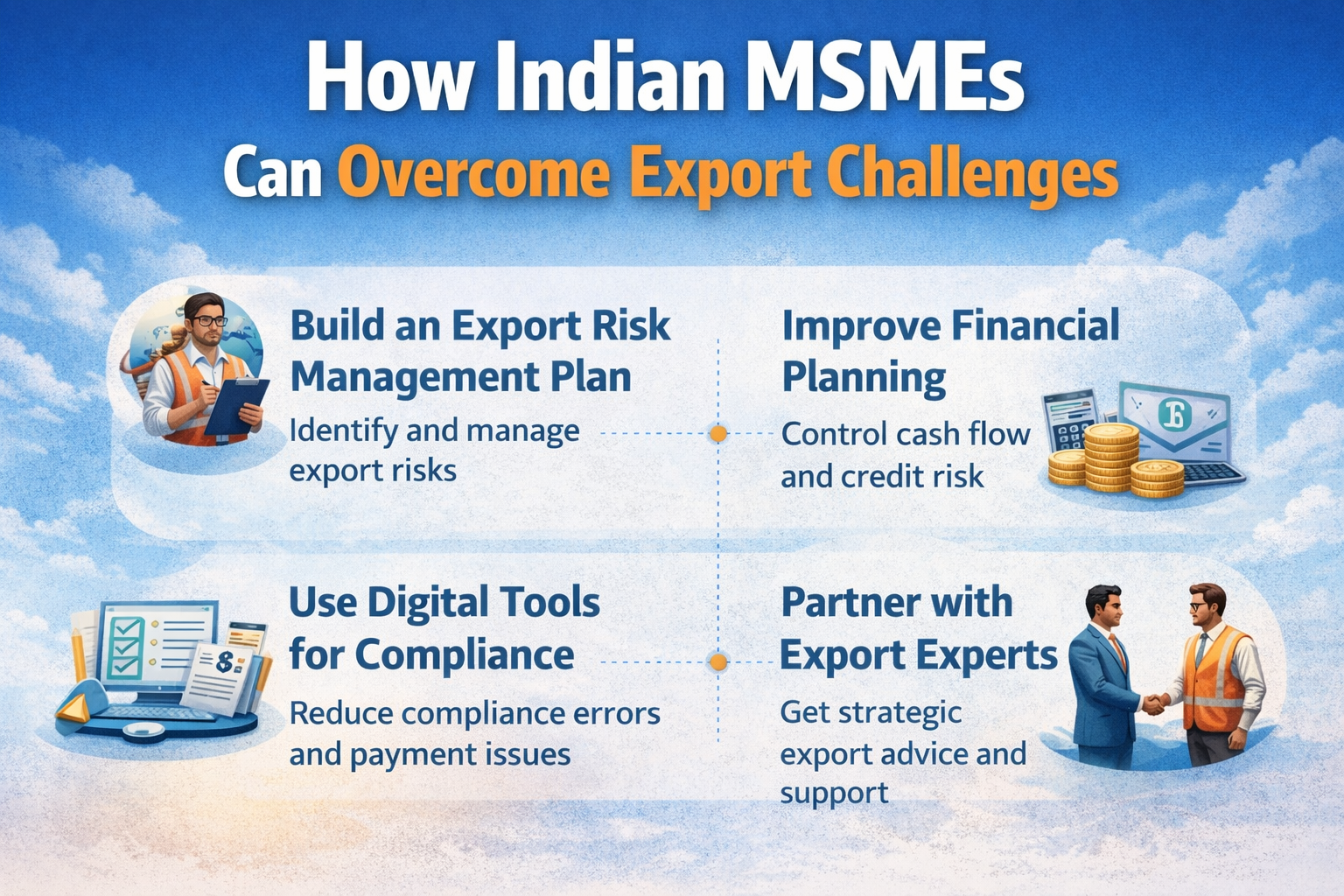
Build a Strong Export Risk Management Plan
A structured risk framework helps MSMEs:
- Identify export-related risks early
- Reduce financial exposure
- Improve decision-making
- Improve Financial Planning & Cash Flow Control
Key actions include:
- Forecasting export receivables
- Managing credit risk
- Monitoring currency exposure
Use Digital Tools for Compliance & Monitoring
Technology can help MSMEs:
- Track documentation status
- Monitor export payments
- Reduce compliance errors
Partner with Reliable Export & Risk Experts
Working with professionals helps MSMEs:
- Navigate global regulations
- Protect against financial risks
- Improve export success rates
Government Support for MSME Exporters in India
Indian MSMEs can leverage:
- Export Credit Guarantee Corporation (ECGC)
- DGFT export schemes
- MSME export incentives
Tip: Combine government support with internal risk controls for maximum benefit.
Why Risk Management Is Critical for Exporting MSMEs
Without risk management, exporting can expose MSMEs to:
- Revenue uncertainty
- Legal penalties
- Business instability
A proactive risk strategy ensures:
- Stable cash flow
- Compliance confidence
- Long-term export growth
How SignalX Can Help MSMEs Overcome Export Challenges in 2026
By leveraging SignalX’s cutting-edge solutions, Indian MSMEs can overcome the key export challenges they face in 2026 and beyond. From market intelligence and compliance assistance to logistics optimization and currency risk management, SignalX provides the tools and expertise necessary for MSMEs to thrive in global markets.
Conclusion
While the export challenges for Indian MSMEs are significant, they are not insurmountable. With the right tools, insights, and partnerships, MSMEs can successfully overcome barriers and expand their reach in global markets. As demonstrated by the case studies above, platforms like SignalX are providing critical support through market intelligence, compliance tools, financing options, logistics optimization, and more.
As we move further into 2026, MSMEs that embrace these solutions and adapt to the global trade landscape will be better equipped to navigate the complexities of international exports and thrive on the global stage.
Are you facing export challenges for your MSME? Explore how SignalX can help streamline your export process, mitigate risks, and unlock global growth opportunities.
FAQs – Export Challenges for Indian MSMEs
1. What are the main export challenges faced by Indian MSMEs?
Indian MSMEs face challenges such as complex export compliance, payment delays from overseas buyers, currency fluctuations, high logistics costs, and limited access to export finance.
2. Why is export compliance difficult for MSMEs in India?
Export compliance is difficult due to multiple regulations involving DGFT, customs, GST, and documentation requirements, which MSMEs often struggle to manage without dedicated compliance teams.
3. How do currency fluctuations impact MSME exporters?
Currency fluctuations can reduce profit margins and create pricing uncertainty, leading to unexpected financial losses if MSMEs do not manage foreign exchange risk properly.
4. How can MSMEs reduce export payment delays and credit risk?
MSMEs can reduce payment delays by verifying overseas buyers, using secure payment terms, opting for export credit insurance, and following a structured export risk m
5. Is risk management necessary for small MSME exporters?
Yes, risk management is essential for small MSME exporters as it helps identify risks early, control financial exposure, ensure compliance, and support sustainable export growth.


Samruddhi Kulkarni
Samruddhi is a marketing professional who creates content that simplifies complex topics such as third-party risk management, compliance, and vendor governance. By combining market research, insights, and domain understanding, she develops blogs, e-books, and best-practice guides that help organizations strengthen their risk posture and build long-term resilience.
