Healthcare Vendor Management Risk Systems: Enhancing Efficiency and Compliance in Modern Healthcare
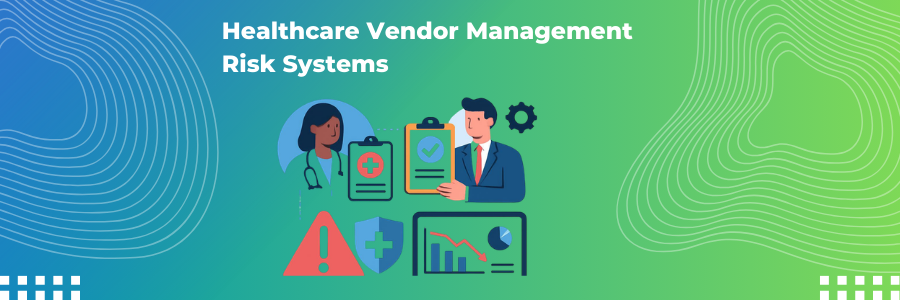





Healthcare today operates within a highly interconnected ecosystem where third-party vendors play a critical role in delivering quality patient care. From cloud-based data storage providers and revenue cycle management firms to medical equipment suppliers and telehealth platforms, vendors are deeply embedded in daily healthcare operations. While this interconnected network increases efficiency and innovation, it also introduces complex layers of risk. As regulatory scrutiny intensifies and cyber threats become more sophisticated, healthcare organizations can no longer rely on informal vendor oversight methods. This is where Healthcare Vendor Management Risk Systems (VMRS) have become essential.
A Healthcare Vendor Management Risk System is a structured, technology-driven framework designed to identify, assess, monitor, and mitigate risks associated with third-party vendors. In modern healthcare environments, vendor relationships are no longer transactional they are strategic partnerships that directly impact compliance, operational continuity, patient safety, and data security. A comprehensive VMRS enables healthcare organizations to manage these relationships with transparency, accountability, and control.
The Growing Complexity of Vendor Ecosystems in Healthcare
Over the last decade, healthcare organizations have undergone significant digital transformation. Electronic health records, telemedicine, artificial intelligence tools, and cloud computing platforms have become integral to care delivery. Each of these innovations relies heavily on external vendors. As a result, the number of third-party relationships within hospitals and healthcare systems has expanded dramatically.
This expansion has created an environment where risks are no longer confined within organizational boundaries. A cybersecurity weakness in a vendor’s system can compromise sensitive patient data. A financially unstable supplier can disrupt essential medical supply chains. A non-compliant billing vendor can expose a healthcare organization to regulatory penalties. The interconnected nature of modern healthcare means that vendor risk is organizational risk.
Healthcare Vendor Management Risk Systems bring structure to this complexity. Rather than tracking vendors through spreadsheets or fragmented documentation, organizations use centralized platforms to maintain a complete vendor inventory, assess risk levels, and monitor compliance status in real time. This centralized visibility transforms vendor oversight from reactive to proactive.
Strengthen Vendor Oversight. Reduce Risk. Ensure Compliance.
Empower your healthcare organization with a smarter Vendor Management Risk System.
Maintain regulatory compliance all while improving operational efficiency.
Why Vendor Risk Management Is Critical for Compliance
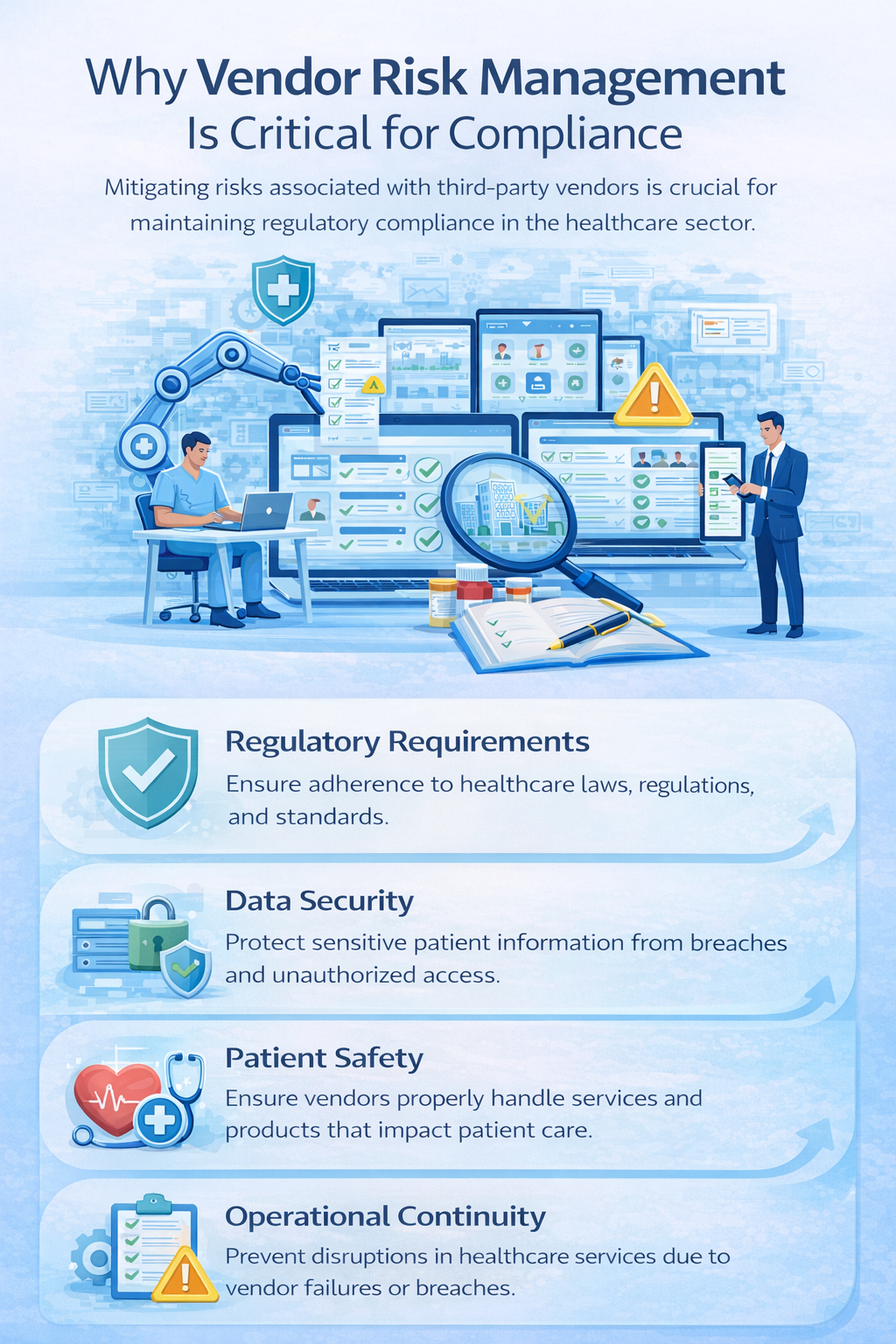
Healthcare is one of the most regulated industries globally. Laws governing patient data privacy, billing practices, and operational standards require strict adherence. When vendors access protected health information or provide services that affect patient care, they must comply with the same regulatory expectations as the healthcare organization itself.
Without a formalized vendor risk management system, compliance gaps can go unnoticed until an audit or breach occurs. Regulatory frameworks require healthcare organizations to demonstrate due diligence in selecting and monitoring vendors. This includes verifying security controls, reviewing certifications, and maintaining appropriate contractual safeguards.
A VMRS automates these processes by tracking documentation, flagging missing compliance items, and providing audit-ready reports. Instead of scrambling to gather records during inspections, organizations can produce comprehensive documentation that demonstrates continuous oversight. This structured approach significantly reduces the risk of fines, legal exposure, and reputational damage.
Strengthening Cybersecurity Through Vendor Oversight
Cybersecurity remains one of the most pressing challenges in healthcare. Attackers increasingly target third-party vendors because they often present weaker security defences than large hospital systems. A single compromised vendor can provide a gateway into an entire healthcare network.
Healthcare Vendor Management Risk Systems address this vulnerability by integrating cybersecurity assessments into vendor evaluations. Risk scoring methodologies evaluate factors such as data access levels, security certifications, and incident history. Continuous monitoring tools can provide alerts if a vendor experiences a breach or exhibits risky behaviour.
By embedding cybersecurity oversight into vendor management processes, healthcare organizations reduce the likelihood of data breaches originating from external partners. This proactive monitoring protects patient information and preserves trust, which is foundational to healthcare delivery.
Enhancing Operational Efficiency and Transparency
Beyond compliance and cybersecurity, VMRS platforms significantly improve operational efficiency. Manual vendor management often leads to duplicated efforts, inconsistent assessments, and limited visibility across departments. Procurement teams may not have insight into IT risk evaluations, while compliance officers may lack access to contract expiration dates.
A centralized vendor management system eliminates these silos. All relevant stakeholders can access up-to-date vendor information, performance metrics, and risk profiles within a single platform. Automated reminders for contract renewals, documentation updates, and periodic assessments ensure that nothing falls through the cracks.
This transparency fosters better decision-making. Leadership teams gain data-driven insights into vendor performance and risk exposure, enabling strategic planning and informed resource allocation. Rather than reacting to problems after they occur, organizations can anticipate and mitigate risks before they escalate.
Risk-Based Vendor Segmentation and Strategic Oversight
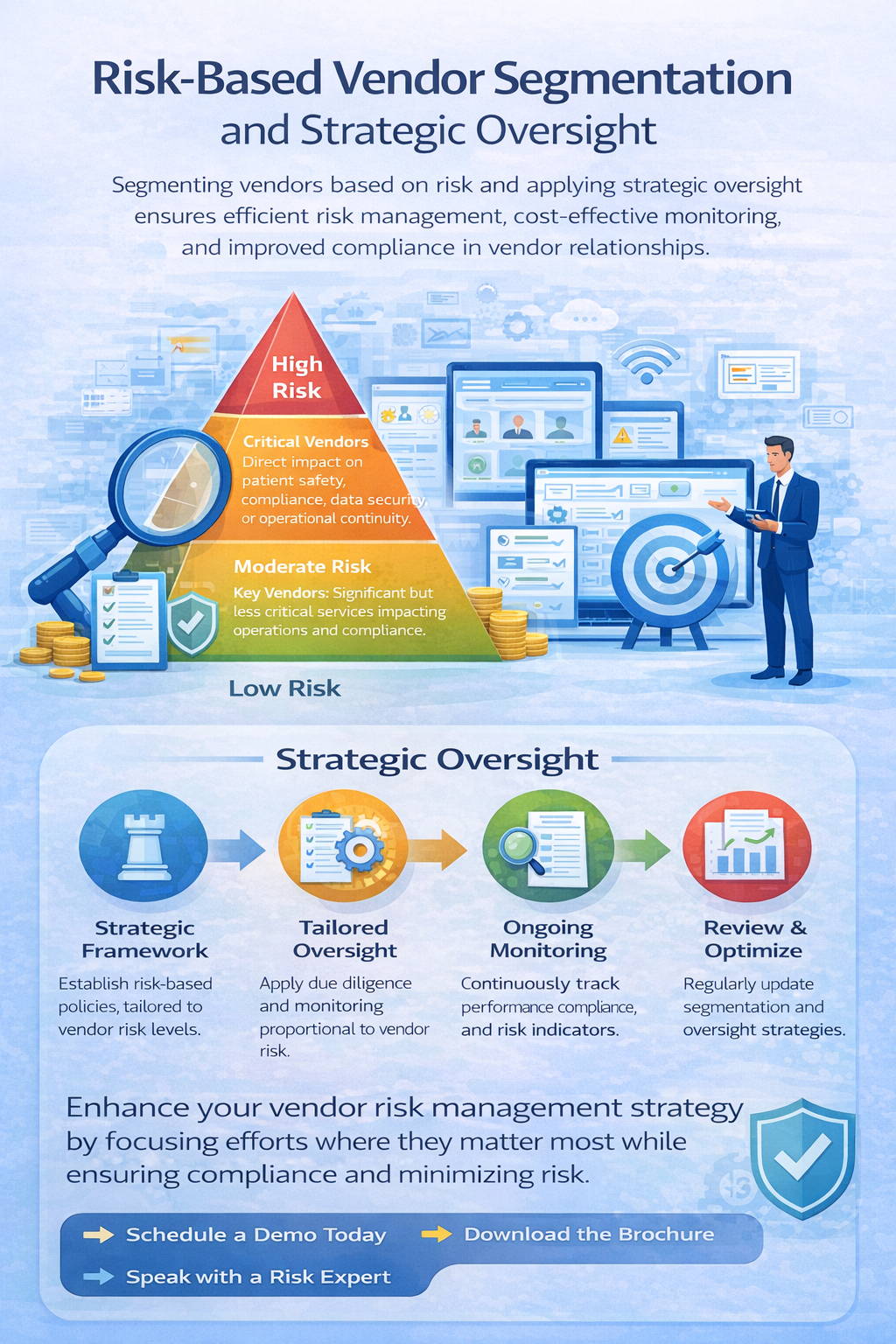
Not every vendor presents the same level of risk. A company providing landscaping services poses a different risk profile than a cloud provider hosting patient data. Effective vendor management requires risk-based segmentation to allocate oversight resources appropriately.
Healthcare Vendor Management Risk Systems categorize vendors based on factors such as access to sensitive data, operational criticality, and financial impact. High-risk vendors receive more frequent assessments and stricter monitoring, while lower-risk vendors undergo streamlined reviews. This approach ensures efficiency without compromising safety.
Strategic segmentation also allows organizations to prioritize critical vendor relationships. Vendors that directly affect patient care or data security receive focused attention, strengthening resilience across essential operations.
Incident Management and Crisis Preparedness
Despite best efforts, incidents can still occur. Whether it is a cybersecurity breach, regulatory violation, or service disruption, healthcare organizations must respond swiftly and effectively. A well-designed VMRS includes structured incident management workflows that guide response efforts.
These systems document incidents, track corrective actions, and facilitate communication between stakeholders. They also maintain records necessary for regulatory reporting and internal audits. By standardizing response procedures, organizations reduce confusion during crises and minimize operational downtime.
Preparedness is a defining characteristic of resilient healthcare systems. Vendor risk management platforms play a central role in ensuring that organizations can respond decisively when challenges arise.
Building Patient Trust Through Strong Governance
Patient trust is at the heart of healthcare. Individuals entrust providers with their most sensitive personal and medical information. When that trust is compromised due to a vendor-related breach, the consequences extend far beyond financial penalties.
Demonstrating strong vendor governance signals a commitment to patient privacy and ethical operations. Healthcare organizations that invest in comprehensive vendor risk systems show stakeholders that they prioritize security and compliance. This commitment enhances reputation, strengthens community relationships, and differentiates organizations in competitive markets.
Emerging Trends in Healthcare Vendor Risk Management
The future of healthcare vendor risk management is shaped by technological innovation and evolving regulatory expectations. Artificial intelligence and predictive analytics are increasingly integrated into risk scoring models, enabling real-time insights into vendor performance. Cloud-based platforms provide scalable solutions for organizations of all sizes. Regulatory bodies are placing greater emphasis on third-party risk transparency, requiring healthcare providers to demonstrate continuous oversight rather than periodic assessments.
Environmental, social, and governance considerations are also entering vendor evaluation criteria. Healthcare organizations are beginning to assess vendors not only for operational risk but also for ethical and sustainability standards. This broader perspective reflects the growing importance of responsible business practices in healthcare ecosystems.
As digital transformation accelerates, vendor networks will continue to expand. Organizations that adopt advanced vendor management risk systems today will be better equipped to navigate future complexities with confidence.
Strengthen Vendor Oversight. Reduce Risk. Ensure Compliance.
Strengthen Your Vendor Risk Strategy Today
Frequently Asked Questions (FAQs)
1. What is a Healthcare Vendor Management Risk System?
A Healthcare Vendor Management Risk System is a structured framework or software platform used to assess, monitor, and mitigate risks associated with third-party vendors in healthcare organizations.
2. Why is vendor risk management important in healthcare?
Vendor risk management is critical because vendors often access sensitive patient data and essential systems. Poor oversight can result in compliance violations, data breaches, operational disruptions, and financial penalties.
3. How does a VMRS improve regulatory compliance?
A VMRS tracks documentation, automates compliance checks, and provides audit-ready reports, helping organizations demonstrate continuous oversight of vendors.
4. What types of vendors require the highest level of monitoring?
Vendors that access protected health information, provide IT services, manage billing operations, or support critical infrastructure typically require the highest level of monitoring.
5. Can small healthcare practices implement vendor risk systems?
Yes. Modern VMRS platforms are scalable and can be tailored to small practices, outpatient clinics, and large hospital networks alike.
6. How often should vendors be reassessed?
High-risk vendors should be monitored continuously or reassessed annually, while lower-risk vendors may require periodic reviews based on organizational policy.
7. What are the biggest risks associated with third-party vendors?
The most significant risks include cybersecurity breaches, regulatory non-compliance, financial instability, service interruptions, and reputational damage.
Healthcare risks are evolving rapidly, and vendor oversight can no longer be reactive. Implement a comprehensive Healthcare Vendor Management Risk System to protect patient data, ensure regulatory compliance, and streamline operations across your organization.
Take the next step toward secure and efficient healthcare operations by scheduling your free vendor risk consultation today.